Understanding Attractiveness: The Science Behind the Attractive Test
In an age dominated by visual impressions and social media profiling, understanding what makes someone attractive has become a topic of immense interest. The quest for beauty often leads individuals to explore various tools designed to quantify attractiveness. One such tool is the attractive test, which utilizes advanced algorithms and artificial intelligence to analyze facial features. This article delves into the science behind these tests, their psychological implications, and the factors that contribute to perceived beauty.
What is an Attractive Test?
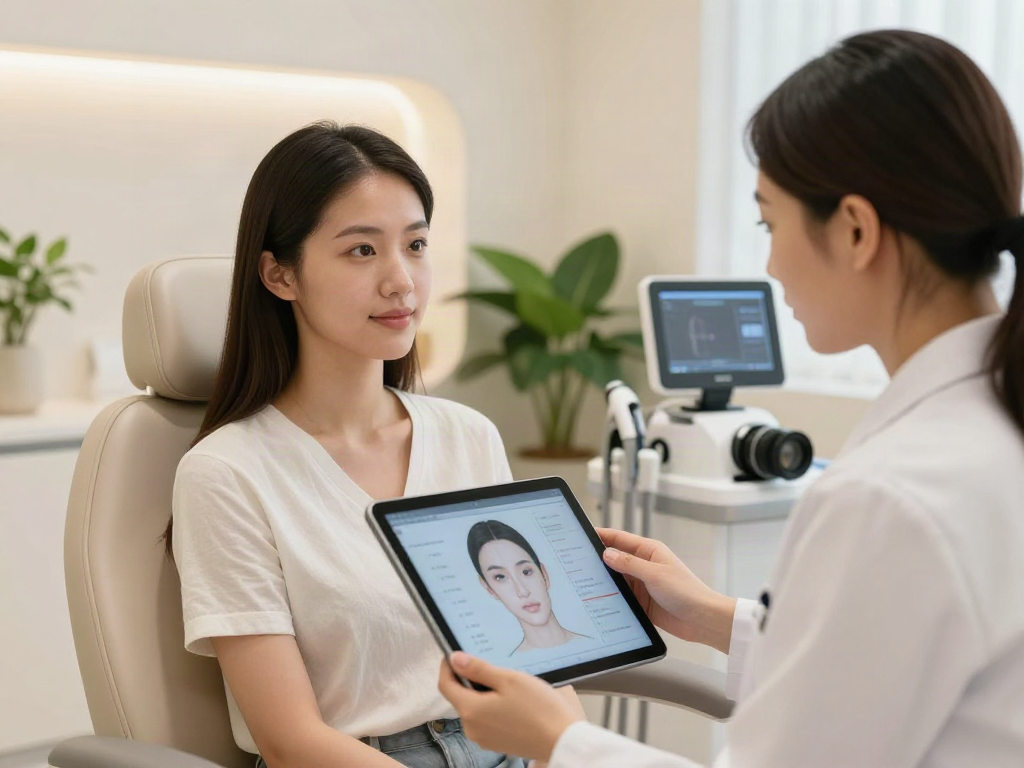
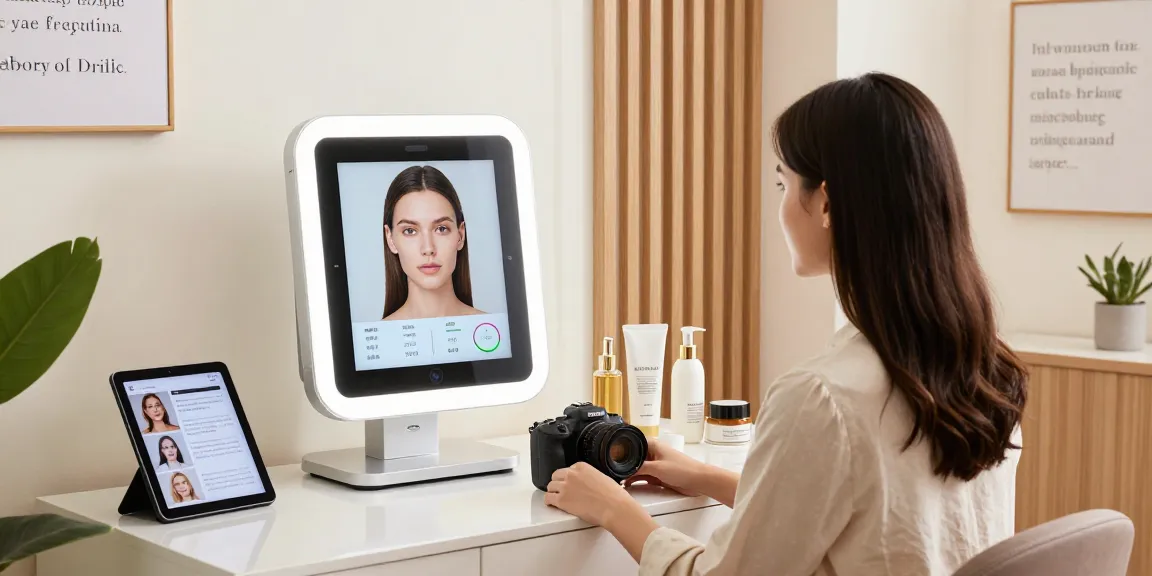
An attractive test is an online tool that evaluates a person's facial features to determine their level of attractiveness based on certain established criteria. These tests often rely on AI technology to analyze images uploaded by users and provide a score or rating that reflects their attractiveness. By assessing features such as symmetry, proportions, and skin quality, these tools aim to offer insights that are both engaging and informative.
The Psychology of Beauty Assessment
The fascination with attractiveness is deeply rooted in psychology. Studies have shown that people often subconsciously attribute positive traits such as intelligence and kindness to physically attractive individuals—a phenomenon known as the "halo effect." The attractiveness score from tests can reinforce or challenge these preconceived notions, providing users with feedback that might influence their self-perception and social interactions.
Facial Features Analyzed in Attractive Tests
Attractive tests typically evaluate several key facial features, including:
- Facial Symmetry: Research indicates that symmetrical faces are often perceived as more attractive. This is likely due to the association of symmetry with genetic health.
- Golden Ratio: The golden ratio is a mathematical ratio often found in nature that is believed to define beauty. Facial features that align with this ratio tend to be rated higher in attractiveness tests.
- Canthal Tilt: This refers to the angle of the eyes in relation to the horizontal line of the face. A slight upward tilt is generally considered more attractive.
- Skin Clarity and Texture: Clear, healthy skin is a common criterion, as it reflects youth and vitality.
How to Take an Attractive Test Properly
Taking an attractive test can be a fun and insightful experience, but it’s essential to approach it with the right mindset. Adhering to best practices can significantly enhance the accuracy of results and the overall enjoyment of the process.
Preparing for Your First Test
Before taking an attractive test, ensure you are in a well-lit setting and that you have clear, high-resolution images prepared. Choose photos where your face is unobstructed, and your expression is neutral to receive a more accurate evaluation.
Best Practices for Photo Submission
To improve your test results, consider these tips when submitting your photos:
- Use Natural Lighting: Natural light can enhance facial features and textures in a way that artificial lighting may not achieve.
- Avoid Heavy Makeup: While makeup can enhance features, it may cloud the assessment of your natural attractiveness.
- Choose a Clear Background: A simple background can help prevent distractions and allow the focus to remain on your face.
Utilizing AI Tools for Accurate Results
Many attractive tests leverage AI technology to analyze facial structures in detail. Familiarize yourself with the specific criteria that each tool uses to ensure you get the most out of your experience. Remember that while AI can provide insights, personal perceptions of attractiveness can vary widely among individuals.
Interpreting Your Attractive Test Results
Receiving your attractiveness score can evoke a range of emotions, from excitement to disappointment. Understanding this score is crucial in processing the results meaningfully.
Understanding the Scoring System
The scoring systems of attractive tests vary widely, but they typically offer a percentile rank (e.g., a score of 80 may indicate you are more attractive than 80% of participants). Familiarize yourself with the specific scoring details provided by the test to make sense of your results.
Common Misconceptions About Attractiveness Scores
One prevalent misconception is that an attractiveness score defines your self-worth. It's crucial to remember that beauty is subjective, and these tools offer only one perspective based on certain criteria.
Using Results for Personal Growth and Self-Acceptance
Regardless of your score, use the results as a catalyst for personal growth. If the score is lower than expected, it might inspire you to focus on self-care or seek ways to enhance your features through various means, such as skincare or style adjustments.
Future Trends in Beauty Assessment and AI Technology
As technology continues to evolve, the future of attractiveness tests looks promising. New tools and methodologies are emerging every year, making these assessments even more insightful.
Emerging Tools for Attractive Tests in 2026
In 2026, we can expect to see even more sophisticated tools that integrate deeper learning algorithms, enabling them to provide more personalized feedback. These advancements may also expand to assess not only facial features but also personality factors linked to attractiveness.
The Role of Social Media in Attractiveness Perception
With social media becoming a significant influencer of beauty standards, the role of attractiveness tests will likely shift. Users may start to leverage these tools not only for self-assessment but also as a means to curate their online personas.
How AI is Shaping Beauty Standards
AI's influence on beauty standards is profound. As these tools evolve, they will likely play a significant role in defining what is considered attractive, potentially shaping societal norms around beauty in ways we are only beginning to understand.
Frequently Asked Questions
How accurate are attractive tests?
Accuracy can vary based on the algorithms used and the quality of the photo submitted. While many tests aim to provide an objective score, personal perceptions of beauty can influence the outcome.
Is there a best time to take an attractive test?
There is no specific "best time," but taking the test when you feel confident and comfortable can positively impact your results.
Can I improve my attractiveness score?
Yes, many individuals choose to enhance their attractiveness through various avenues, such as skincare, grooming, and even fitness, which can contribute to a more favorable score.
What factors influence attractiveness beyond facial features?
Factors such as personality, confidence, and behavior play a significant role in overall attractiveness. Many people find charisma and approachability more attractive than physical appearance alone.
Are there any risks associated with taking an attractiveness test?
The primary risk lies in the potential for negative self-perception based on the score. It's essential to approach these tests with a balanced mindset and use the results as constructive feedback rather than an absolute measure of value.