
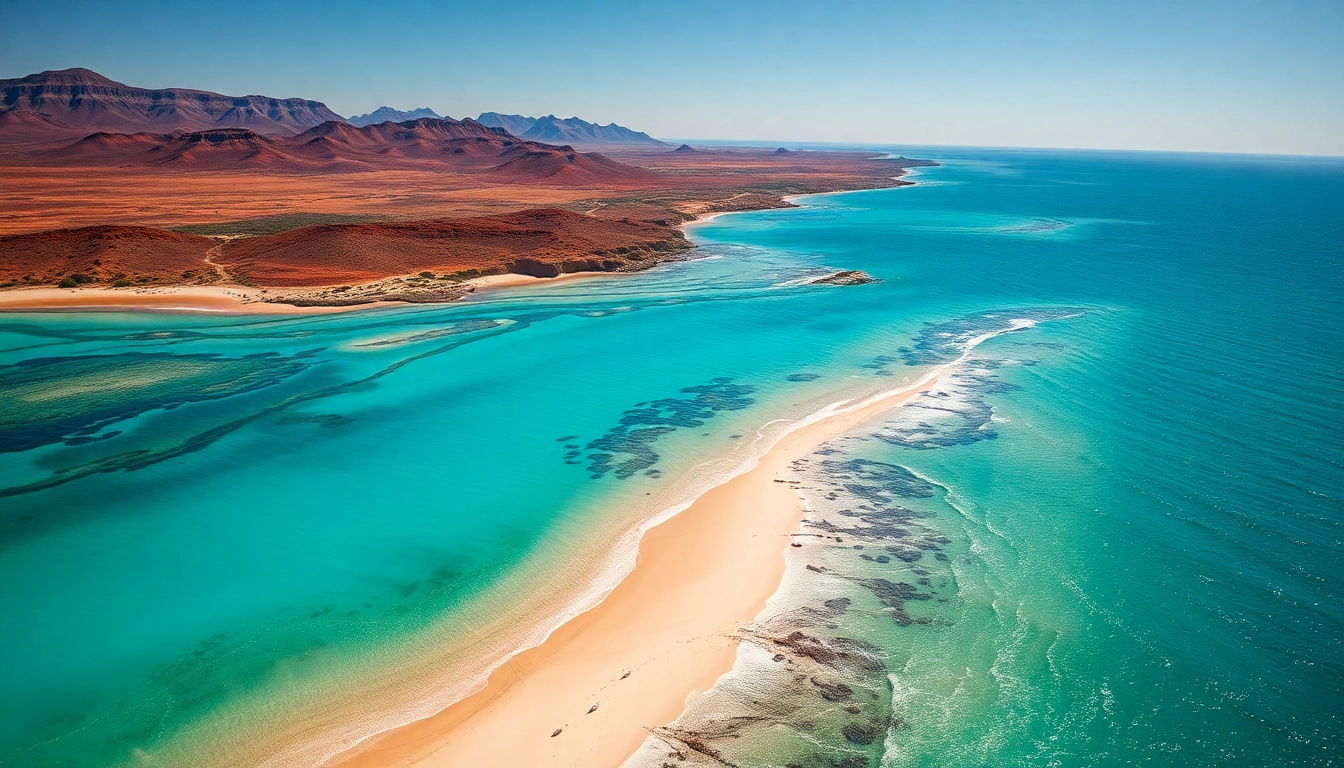
Introduction to Australia
Located between the Pacific and Indian Oceans, Australia stands as a remarkable continent, both geographically and culturally. Known for its stunning landscapes, rich biodiversity, and vibrant cultures, Australia showcases an array of experiences that attract millions of visitors each year. This article delves into the facets that make Australia a unique destination, from its geography and ecosystems to its thriving economy and tourism trends.
Geographic Overview of Australia
Australia is the world’s smallest continent but ranks as the sixth-largest country overall. With a total area covering roughly 7.7 million square kilometers, it boasts a diverse geographic landscape that ranges from sprawling deserts in the outback to lush rainforests along the coast. It's bordered by the Indian Ocean to the west and the Pacific Ocean to the east, contributing to its distinctive ecosystems.
Australia is divided into several regions including New South Wales, Queensland, Victoria, Tasmania, South Australia, Western Australia, and the Northern Territory, each offering unique environments and climates. Coastal areas are characterized by beautiful beaches, while the inland regions may include vast arid zones like the Great Sandy Desert. This geographical variety supports a multitude of habitats, making Australia a megadiverse country.
Cultural Significance of Australia
Australia has a cultural landscape that mirrors its geographical diversity. The country is home to a rich tapestry of cultures, with Indigenous Australians possessing the oldest continuous cultures in the world. With over 200 languages spoken and contributions from numerous immigrant communities, Australia is a multicultural society that values inclusivity and diversity. Major cities such as Sydney, Melbourne, and Brisbane are cultural hubs that celebrate this diversity through festivals, cuisine, art, and music.
The acknowledgment and respect for Indigenous heritage play a crucial role in Australian culture, with efforts being made to recognize the traditional custodians of the land. This cultural fusion is evident in many aspects of life and is reflected in the arts, literature, and community events across the country.
Key Highlights and Attractions in Australia
Australia is loaded with iconic attractions that cater to various interests. The Sydney Opera House and the Great Barrier Reef are two emblematic sites that demonstrate the country’s architectural and natural wonders respectively. The opera house is a UNESCO World Heritage site known for its distinctive shell-like design and cultural performances. Meanwhile, the Great Barrier Reef, the largest coral reef system in the world, is a paradise for scuba diving and snorkeling enthusiasts.
Other popular attractions include the stunning landscapes of Uluru in the Northern Territory, the scenic drives along the Great Ocean Road, and the pristine beaches of the Gold Coast. These landmarks not only showcase Australia’s natural beauty but also its cultural heritage, offering unique insights into both the land and the people that inhabit it.
Understanding Australia’s Diverse Ecosystems
Unique Wildlife of Australia
Australia is renowned for its unique flora and fauna, boasting species that are found nowhere else on Earth. From the iconic kangaroos and koalas to the venomous box jellyfish and the platypus, the continent is a wildlife sanctuary that attracts biologists, conservationists, and tourists alike. Australia's varied climates foster incredible ecosystems, from rainforests and coral reefs to arid deserts.
The unique wildlife is not just a tourist attraction but plays a critical role in the ecological balance. Many species, such as the Tasmanian devil and various marsupials, are integral components of their respective habitats. Conservation efforts across Australia aim to protect these species and their habitats amidst challenges like climate change, habitat loss, and invasive species.
Environmental Conservation in Australia
With increasing awareness of environmental issues, Australia is at the forefront of conservation efforts. National parks, marine reserves, and wildlife sanctuaries have been established to protect the diverse ecosystems and species that inhabit the continent. The Australian government and various organizations actively engage in reforestation, marine conservation, and wildlife protection initiatives.
Moreover, community involvement and eco-tourism have created opportunities for locals and tourists to participate in conservation efforts. Programs encouraging responsible travel are also gaining traction, allowing visitors to appreciate Australia’s natural wonders while contributing to their preservation.
Popular Natural Landmarks in Australia
Australia's natural wonders are truly awe-inspiring. The Daintree Rainforest, one of the oldest rainforests in the world, is a spectacular example of biodiversity, home to many species of trees, wildlife, and plants. The coastal cliffs of the Twelve Apostles and the vibrant landscapes of the Blue Mountains provide breathtaking views that are popular among hikers and photographers.
Additionally, the extremely unique Bungle Bungles in Purnululu National Park and the striking red sands of the Simpson Desert reflect the extraordinary landscapes that Australia has to offer. Each landmark tells a story, serving as a reminder of Australia's geological history and ecological importance.
The Economy of Australia
Overview of Australia’s Economic Landscape
Australia possesses a highly developed economy characterized by energy and natural resource exports, a robust service sector, and a booming technology industry. As a member of the G20 group, Australia is recognized for its high GDP per capita and overall economic stability. The country benefits from rich natural resources, including coal, iron ore, and natural gas, which significantly contribute to its economic output.
The stability of Australia’s economy can be attributed to a comparatively small but skilled workforce and sound economic policies. The government emphasizes sustainable growth, innovation, and investment in human capital, ensuring a resilient economy even in times of global economic uncertainty.
Major Industries and Economic Contributors
The main sectors driving Australia’s economy include mining, agriculture, manufacturing, and services. Mining is particularly significant, contributing billions to the national economy and commanding a large share of exports. Agriculture, also a vital sector, produces a range of products, from livestock and dairy to fruits and wine.
The services sector, including finance, education, and tourism, is increasingly becoming the backbone of Australia’s economy. With educational services attracting international students and tourism generating substantial revenue, these industries play pivotal roles in overall economic growth. Investment in technology and innovation is also fostering entrepreneurship, which adds to the dynamism of the economy.
Cost of Living in Australia
While Australia offers a high standard of living, it also comes with a substantial cost of living. Major cities like Sydney and Melbourne rank among the most expensive in the world, primarily due to high housing prices and living expenses. The cost of groceries, healthcare, and transportation can also be significant, particularly for families.
However, salaries in Australia generally reflect these costs, with many individuals earning competitive wages. Understanding the cost of living is crucial for both residents and newcomers as they navigate the financial landscape.
Tourism Trends in Australia
Growth of Eco-Tourism in Australia
In recent years, eco-tourism has seen tremendous growth in Australia, fueled by a global shift towards sustainable travel. Travelers are increasingly seeking experiences that prioritize environmental conservation and cultural respect. Australia offers a plethora of eco-friendly travel experiences—ranging from guided nature walks to wildlife sanctuaries that promote conservation efforts.
The government and private sector are investing in infrastructure to support eco-tourism, including renewable energy initiatives and sustainable accommodation options, catering to the environmentally-conscious traveler.
Cultural Festivals and Events in Australia
Australia is a vibrant nation that celebrates its cultural diversity through various festivals and events. Events such as the Sydney Festival and Melbourne International Comedy Festival showcase the arts, music, and performances from local and international artists. Many regional towns celebrate local heritage through festivals emphasizing food, dance, and music, creating a rich cultural tapestry.
These festivals contribute significantly to community pride and the economy, drawing both locals and tourists and providing opportunities for cultural exchange and education.
Travel Tips for Visiting Australia
Traveling to Australia offers an adventure unlike any other, but it's vital to be well-prepared. Potential travelers should be aware of the vast distances between attractions, making flight and car travel essential. It’s beneficial to plan an itinerary that allows enough time to explore various regions, including the distinct cultures and natural landmarks.
Additionally, understanding the seasonal climate can enhance the travel experience—summer (December to February) is best for beach-going, while winter (June to August) provides opportunities for snow sports in regions like Tasmania and the Australian Alps.
Living in Australia
Healthcare System in Australia
Australia's healthcare system is primarily funded through taxation and provides residents with access to high-quality medical care. The Medicare system ensures that Australian citizens and permanent residents receive subsidized healthcare services, including hospital and medical services. Private health insurance is also available, offering additional benefits and reducing wait times for certain treatments.
In recent years, Australia has made strides in health technology and preventive care, focusing on public health initiatives that promote healthy living and disease prevention among its citizens.
Education Opportunities in Australia
Australia is home to some of the world's leading universities and educational institutions, attracting both local and international students. A strong emphasis on research, innovation, and quality education makes Australia a popular destination for higher studies. The education system offers a range of opportunities from preschool to tertiary education, with a focus on skill development and lifelong learning.
Furthermore, vocational education and training programs facilitate workforce readiness, equipping students with practical skills relevant to Australia's dynamic job market.
Working and Business Environment in Australia
The working environment in Australia is characterized by a high standard of living and a strong focus on work-life balance. The country boasts a relatively low unemployment rate and a high percentage of skilled workers. Many industries, particularly technology and healthcare, are experiencing significant growth, leading to increased job opportunities.
For entrepreneurs, Australia provides a supportive business environment, with access to various resources, mentoring programs, and favorable policies. The emphasis on innovation and collaboration fosters an entrepreneurial spirit, making Australia an appealing destination for startups and established businesses alike.
FAQs about Australia
What is the best time to visit Australia?
The best time to visit Australia varies greatly by region. Generally, spring (September to November) and autumn (March to May) provide pleasant weather across most regions.
What are some must-try foods in Australia?
Don’t miss trying meat pies, Vegemite, lamingtons, and the famous Australian barbecue featuring kangaroo and lamb.
Is public transport reliable in Australia?
Yes, major cities have extensive public transport systems, including trains, buses, and ferries, making it easy to navigate urban areas.
What languages are spoken in Australia?
English is the primary language spoken in Australia, but many other languages are spoken due to its multicultural population.
Are there any unique safety considerations in Australia?
Visitors should be aware of sun safety, local wildlife, and ocean conditions. Respecting the environment and Indigenous lands is also essential.