
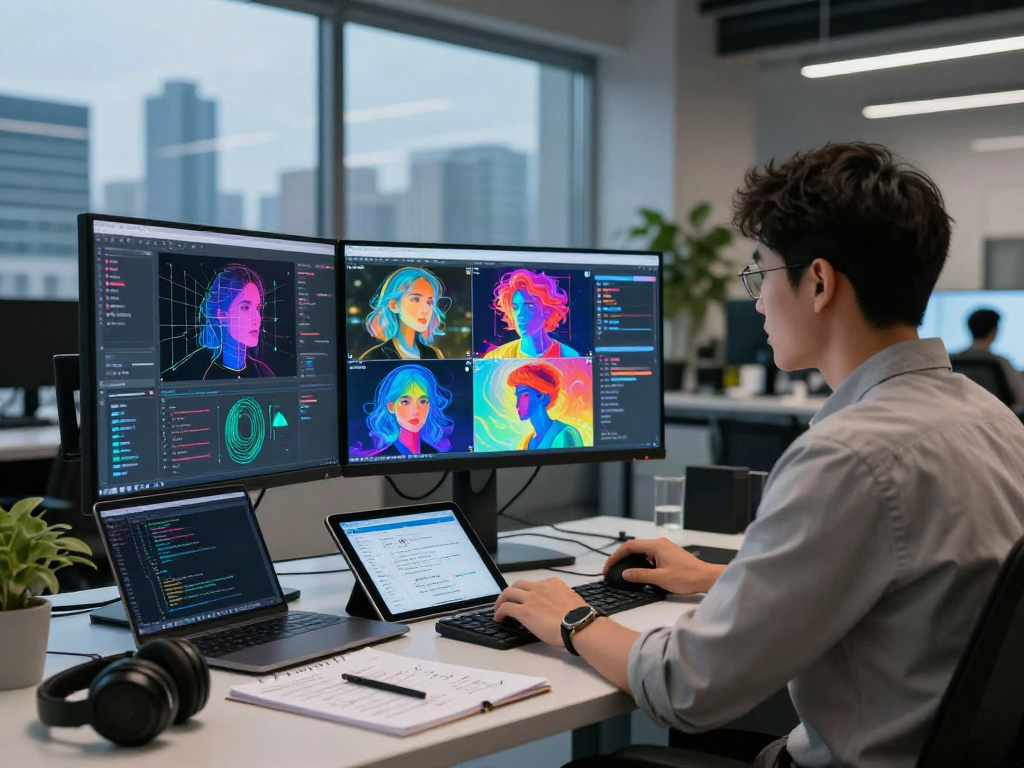
Understanding AI Image Detection
As the digital landscape continues to evolve, the significance of AI Image Detection has come to the forefront. This technology not only assists in identifying images generated by artificial intelligence but also plays a crucial role in various industries, ranging from journalism to e-commerce. Understanding its fundamentals, applications, and implications is essential for professionals aiming to leverage this technology effectively.
What is AI Image Detection?
AI Image Detection refers to the use of artificial intelligence algorithms and techniques to analyze images and determine whether they were created by humans or generated by machines. These systems look for specific patterns, textures, and markers that are unique to AI-generated visuals, allowing them to differentiate between genuine photographs and synthetic images.
This technology employs various methods, including deep learning, neural networks, and computer vision, to enhance its accuracy. As a result, AI Image Detection serves as a powerful tool for verifying the authenticity of visual content in an age where misinformation and deepfakes are rampant.
Key Technologies Behind AI Image Detection
Several technologies converge to make AI Image Detection effective:
- Deep Learning: This subset of machine learning involves neural networks that are designed to mimic the way the human brain operates. By training on large datasets, these networks can recognize complex patterns within images.
- Computer Vision: This field enables machines to interpret and make decisions based on visual data. Computer vision techniques are crucial in analyzing the content of images and understanding their context.
- Generative Adversarial Networks (GANs): Often used to create AI-generated images, GANs also play a role in development of detection tools by providing insights into how such images can be identified. They consist of two neural networks—the generator and the discriminator—working against each other, ultimately enhancing detection capabilities.
Common Misconceptions in AI Image Detection
Despite its advancements, several misconceptions persist regarding AI Image Detection:
- It Can Detect All AI-Generated Images: While AI Image Detection has improved significantly, it may not be 100% accurate. Some sophisticated AI models can produce images that are nearly indistinguishable from real ones, posing challenges for detection tools.
- Only Images Created by Specific Algorithms Can Be Detected: Many tools claim to detect images generated by specific AI models. However, with continuous advancements in AI technology, detection systems must adapt to a variety of generation methods.
- AI Image Detection is Only for Security Purposes: While security is a significant application, AI Image Detection also enhances user experiences in industries like marketing, art, and media by providing greater transparency.
Applications of AI Image Detection
The versatility of AI Image Detection means it has become an integral part of various sectors. Its applications are as diverse as the industries it serves, showcasing its potential to transform practices and improve outcomes for businesses and consumers alike.
Industries Transforming with AI Image Detection
- Journalism: News agencies utilize AI Image Detection to verify the authenticity of images shared on social media or through press releases, ensuring their reports are credible.
- E-Commerce: Retailers leverage this technology to detect manipulated product images and enhance trust among consumers, combating the rise of fraudulent listings.
- Advertising: Marketers employ AI Image Detection to assess the effectiveness of their visual campaigns, ensuring that the images resonate with their target audience while meeting ethical standards.
Case Studies Demonstrating Success
Various organizations have successfully implemented AI Image Detection:
- The Associated Press: This news organization adopted AI Image Detection tools to verify user-generated content during crisis reporting, which has significantly increased the accuracy of their news stories.
- Etsy: The online marketplace employed AI Image Detection to combat counterfeit goods, leading to improved seller reputation and customer satisfaction.
Future Opportunities for AI Image Detection
As AI technology continues to evolve, the potential opportunities for AI Image Detection are vast:
- Integration with Augmented Reality (AR): Future applications may involve real-time detection within AR environments, enhancing user experiences in gaming and retail.
- Crowdsourced Verification: Platforms could incorporate AI Image Detection with community engagement to verify images, thus democratizing the verification process.
- Advancements in Educational Tools: Educational institutions may adopt AI Image Detection for educational content, preparing students to confront challenges posed by synthetic media.
Challenges in Implementing AI Image Detection
While the benefits of implementing AI Image Detection are clear, organizations face several challenges as they integrate this technology into their operations. Understanding and addressing these obstacles is crucial for successful adoption.
Technical Hurdles in Adoption
Implementing AI Image Detection systems can be technically challenging. Organizations often face issues such as:
- Integration with Existing Workflows: New technologies must seamlessly integrate with existing systems, which can be complicated and time-consuming.
- Training and Expertise: A lack of expertise in data science and machine learning can hinder effective implementation, necessitating training and skill development.
- Data Quality and Availability: High-quality datasets are essential for training robust detection models. Organizations may struggle to source or create these datasets.
Data Privacy and Ethical Concerns
As with many AI technologies, there are significant ethical considerations surrounding AI Image Detection:
- Data Usage: Organizations must ensure they are compliant with data privacy regulations when using images for training models.
- Potential for Bias: If datasets are not diverse, the detection model may perform poorly on images that do not represent the majority, leading to biased outcomes.
- Transparency and Accountability: Businesses must maintain transparency regarding how AI Image Detection tools are used and ensure accountability for their decisions based on these tools.
Best Practices for Overcoming Barriers
To navigate challenges, companies can adopt several best practices:
- Invest in Training: Providing team members with the necessary training ensures they can effectively use and maintain AI Image Detection systems.
- Focus on Ethical Standards: Establishing clear guidelines on privacy, bias, and transparency will build trust with stakeholders.
- Collaborate with Experts: Partnering with AI specialists can provide valuable insights and improve the effectiveness of detection tools.
Measuring the ROI of AI Image Detection
Evaluating the return on investment (ROI) of AI Image Detection is essential for organizations to determine its value and impact on their operations. Understanding key metrics can help businesses justify their investments in this technology.
Defining Success Metrics
To accurately assess the ROI, organizations should define clear success metrics, such as:
- Accuracy Rates: The percentage of correctly identified AI-generated images versus human-created ones can indicate the effectiveness of the detection system.
- User Satisfaction: Measuring user trust and satisfaction after implementing AI Image Detection tools can provide insights into their impact on the overall experience.
- Operational Efficiency: Evaluating time and cost savings associated with image verification processes can highlight the technology’s practical benefits.
Cost-Benefit Analysis for Businesses
Conducting a cost-benefit analysis allows organizations to weigh the financial implications of adopting AI Image Detection:
- Initial Investment: Assessing the costs associated with purchasing, integrating, and maintaining detection software is crucial.
- Long-term Savings: Businesses should estimate the potential savings from reduced fraud and improved operational efficiencies over time.
- Competitive Advantage: The ability to quickly and accurately verify images can provide a significant edge in the market, attracting more customers and increasing revenue.
Long-term Benefits and Sustainability
Investing in AI Image Detection is not just a short-term gain; it presents long-term benefits for sustainable growth:
- Building Trust: Consistently providing verified images builds trust with consumers, fostering brand loyalty and encouraging repeat business.
- Enhancing Innovation: As organizations become adept at using detection tools, they might innovate further within their sectors, utilizing AI in other impactful ways.
- Adaptability: Early investment in AI technologies positions businesses to adapt to future trends and challenges within the digital landscape.
Future Trends in AI Image Detection (2026 and Beyond)
The future of AI Image Detection is poised for significant advancements as technology continues to evolve. Staying ahead of trends will be essential for organizations looking to maximize their potential.
Innovative Technologies Shaping the Future
- Automated Detection Systems: As algorithms become more sophisticated, the automation of image detection processes will improve accuracy and reduce the need for manual verification.
- AI-Driven Predictive Analytics: Future tools may incorporate predictive analytics to anticipate trends in image generation and detection.
- Real-time Detection Capabilities: Technologies that allow for real-time image verification may change how businesses interact with customers and enhance engagement strategies.
Predictions for Market Growth
The market for AI Image Detection is expected to grow significantly in the coming years:
- Increased Demand: The rise of misinformation and deepfakes will drive demand for reliable detection tools across various sectors.
- Investment Opportunities: Startups and established companies alike will seek to innovate in this space, leading to new investment opportunities and partnerships.
- Regulatory Developments: As AI usage increases, regulatory frameworks may emerge, creating demand for AI Image Detection tools that comply with new laws and guidelines.
Preparing for Emerging Developments
Organizations must proactively prepare for the future of AI Image Detection:
- Continuous Learning: Staying updated with technological advancements and industry trends will be crucial for leveraging AI Image Detection effectively.
- Adaptation Strategies: Companies should develop flexibility in their operations to incorporate new technologies as they emerge.
- Stakeholder Engagement: Engaging with stakeholders to discuss the implications of AI Image Detection can foster collaboration and improve outcomes.
What industries benefit most from AI image detection?
The most significant benefits of AI Image Detection accrue to industries greatly reliant on visual content, including journalism, e-commerce, advertising, and social media platforms.
How to choose the right AI image detection tool?
When selecting an AI Image Detection tool, consider factors such as technology accuracy, integration capabilities with existing systems, user-friendliness, and support services offered by the provider.
What are the ethical considerations in AI image detection?
Ethical considerations include ensuring data privacy, addressing algorithmic bias, and maintaining transparency regarding how detection results are used in decision-making processes.
How does AI image detection improve user experience?
By providing reliable verification of images, AI Image Detection enhances user experience through increased trust and engagement, ultimately leading to higher satisfaction rates among consumers.
What future technologies may disrupt AI image detection?
Emerging technologies, such as quantum computing and advanced AI algorithms, could revolutionize the capabilities of AI Image Detection, potentially increasing accuracy and reducing detection times.