
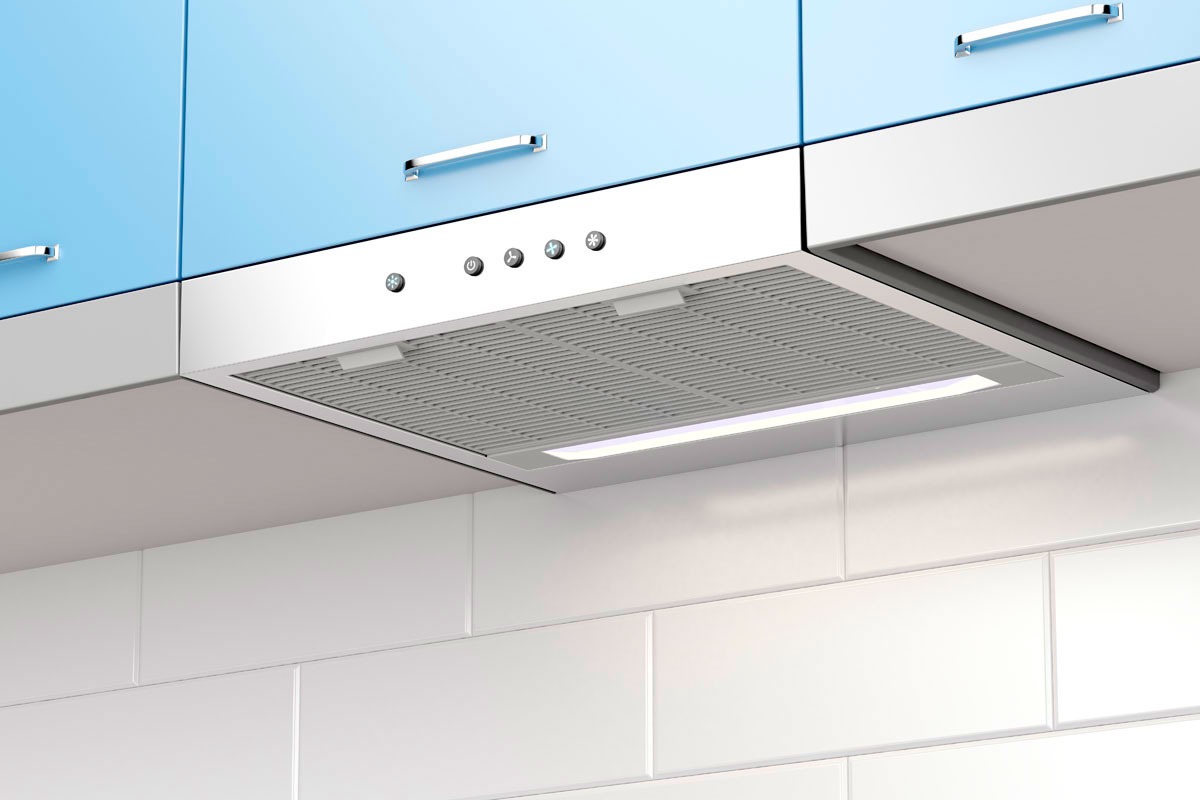
An Angled cooker hood is a modern kitchen ventilation solution designed to combine strong extraction performance with a sleek and stylish appearance. An Angled cooker hood is increasingly preferred in contemporary homes due to its ergonomic design and improved headroom. When comparing an Angled cooker hood with traditional chimney-style units, many homeowners find that an Angled cooker hood offers better comfort and visual appeal. An Angled cooker hood also helps maintain a more open kitchen environment by reducing bulk above the cooking area. In contrast to older designs, an Angled cooker hood delivers a more user-friendly cooking experience. A key advantage of an Angled cooker hood is its ability to efficiently remove smoke, grease, and odors while maintaining a minimalist aesthetic. Many kitchen designers recommend an Angled cooker hood for small and large kitchens alike. The growing popularity of an Angled cooker hood is driven by both performance and modern design trends. Choosing an Angled cooker hood can significantly enhance kitchen functionality and style. Overall, an Angled cooker hood is a strong competitor to traditional chimney cooker hoods in today’s market.
What Is an Angled Cooker Hood?
An Angled cooker hood is a wall-mounted extractor with a slanted front panel designed to improve accessibility and airflow efficiency. Unlike traditional systems, an Angled cooker hood tilts away from the user, offering extra headroom and a more comfortable cooking space.
The main purpose of an Angled cooker hood is to remove airborne contaminants such as smoke, steam, grease particles, and cooking odors. By doing so, an Angled cooker hood helps maintain a cleaner and healthier kitchen environment.
How an Angled Cooker Hood Works
An Angled cooker hood operates using a powerful fan system that draws air through grease and charcoal filters. The air is either expelled outside or recirculated after filtration. This ensures the Angled cooker hood delivers effective ventilation while supporting modern kitchen designs.
What Is a Chimney Cooker Hood?
A chimney cooker hood is a traditional vertical extractor that extends downward from the wall and connects to a visible chimney duct. While effective, chimney systems differ significantly from an Angled cooker hood in design and usability.
Chimney hoods are typically more prominent and require more visual space. In comparison, an Angled cooker hood offers a more compact and streamlined appearance that blends into modern kitchens.
Key Differences in Design
The chimney cooker hood is bulkier and more vertical, while an Angled cooker hood features a slanted design that enhances headroom and reduces visual obstruction. This makes an Angled cooker hood more suitable for modern interiors.
Angled Cooker Hood vs Chimney Cooker Hood: Design Comparison
When comparing both types, the design differences are immediately noticeable. An Angled cooker hood is engineered for modern aesthetics, while chimney hoods focus on traditional styling.
Space Efficiency
An Angled cooker hood takes up less visual and physical space, making it ideal for compact kitchens. Chimney hoods, however, require more wall space and appear more dominant in the kitchen layout.
Visual Appeal
A major advantage of an Angled cooker hood is its sleek and minimalist design. It integrates seamlessly into contemporary kitchens, whereas chimney hoods often act as a focal point due to their size.
Ergonomics and Comfort
An Angled cooker hood provides better headroom, reducing the risk of head collisions during cooking. Chimney hoods do not offer this ergonomic benefit, making the Angled cooker hood more user-friendly.
Performance Comparison
Both types of cooker hoods offer effective ventilation, but performance can vary depending on design and installation.
Extraction Power
A modern Angled cooker hood delivers strong extraction performance comparable to chimney hoods. High-quality models of Angled cooker hood units efficiently remove smoke and grease from the kitchen air.
Airflow Efficiency
Because of its slanted design, an Angled cooker hood often captures rising steam more effectively. This allows the Angled cooker hood to maintain excellent airflow efficiency even in smaller spaces.
Noise Levels
Many Angled cooker hood models are designed with advanced motors that reduce operational noise. Chimney hoods can sometimes produce higher noise levels depending on the model.
Installation and Maintenance Differences
Installation and maintenance requirements also differ between the two systems.
Installation Flexibility
An Angled cooker hood is generally easier to integrate into modern kitchen layouts. Its compact design allows more flexible installation compared to chimney hoods.
Cleaning and Maintenance
An Angled cooker hood typically features easy-access filters that simplify cleaning. Chimney hoods may require more effort due to their vertical structure and larger surface area.
Filter Systems
Both systems use grease and charcoal filters, but an Angled cooker hood often includes more user-friendly filter designs that are easier to remove and clean.
Energy Efficiency Comparison
Energy efficiency is an important factor when choosing between the two options.
Modern Motor Technology
An Angled cooker hood often uses advanced energy-efficient motors that consume less electricity while maintaining strong performance. Chimney hoods may vary depending on model age and design.
Lighting Efficiency
An Angled cooker hood commonly features LED lighting, which reduces energy consumption while improving visibility. This gives the Angled cooker hood an advantage in long-term efficiency.
Overall Consumption
Due to its modern design, an Angled cooker hood tends to offer better energy optimization compared to older chimney hood models.
Which Is Better for Small Kitchens?
For compact kitchen spaces, the Angled cooker hood is often the preferred choice.
Space-Saving Design
An Angled cooker hood takes up less visual space and improves headroom, making it ideal for small kitchens where space is limited.
Enhanced Accessibility
The slanted design of an Angled cooker hood ensures users have more freedom of movement while cooking.
Minimalist Appearance
A small kitchen benefits from the clean and modern look of an Angled cooker hood, which avoids making the space feel crowded.
Which Is Better for Large Kitchens?
In larger kitchens, both options can perform well, but the choice depends on style preference.
Chimney Hood Presence
A chimney hood may suit traditional or large kitchen spaces where a bold design element is desired.
Angled Cooker Hood Elegance
An Angled cooker hood offers a more refined and contemporary look, even in large kitchens, while maintaining powerful ventilation.
Balanced Functionality
An Angled cooker hood provides a balance between performance and design, making it suitable for a wide range of kitchen sizes.
Final Comparison Summary
When comparing both options, the Angled cooker hood stands out for its modern design, improved ergonomics, and space-saving benefits. Chimney cooker hoods still offer strong performance and traditional appeal, but they lack the sleek efficiency of an Angled cooker hood.
The Angled cooker hood is particularly advantageous for homeowners who prioritize comfort, aesthetics, and efficient use of space. Meanwhile, chimney hoods remain a good option for those who prefer a more classic kitchen design.
Conclusion
Choosing between an Angled cooker hood and a chimney cooker hood ultimately depends on kitchen size, design preference, and lifestyle needs. However, the Angled cooker hood consistently offers advantages in terms of style, comfort, and modern functionality. With its space-saving design, improved ergonomics, and efficient performance, the Angled cooker hood has become a leading choice for contemporary kitchens. Whether upgrading or designing a new kitchen, selecting an Angled cooker hood ensures a balance of aesthetics and practical ventilation performance that suits modern living.