
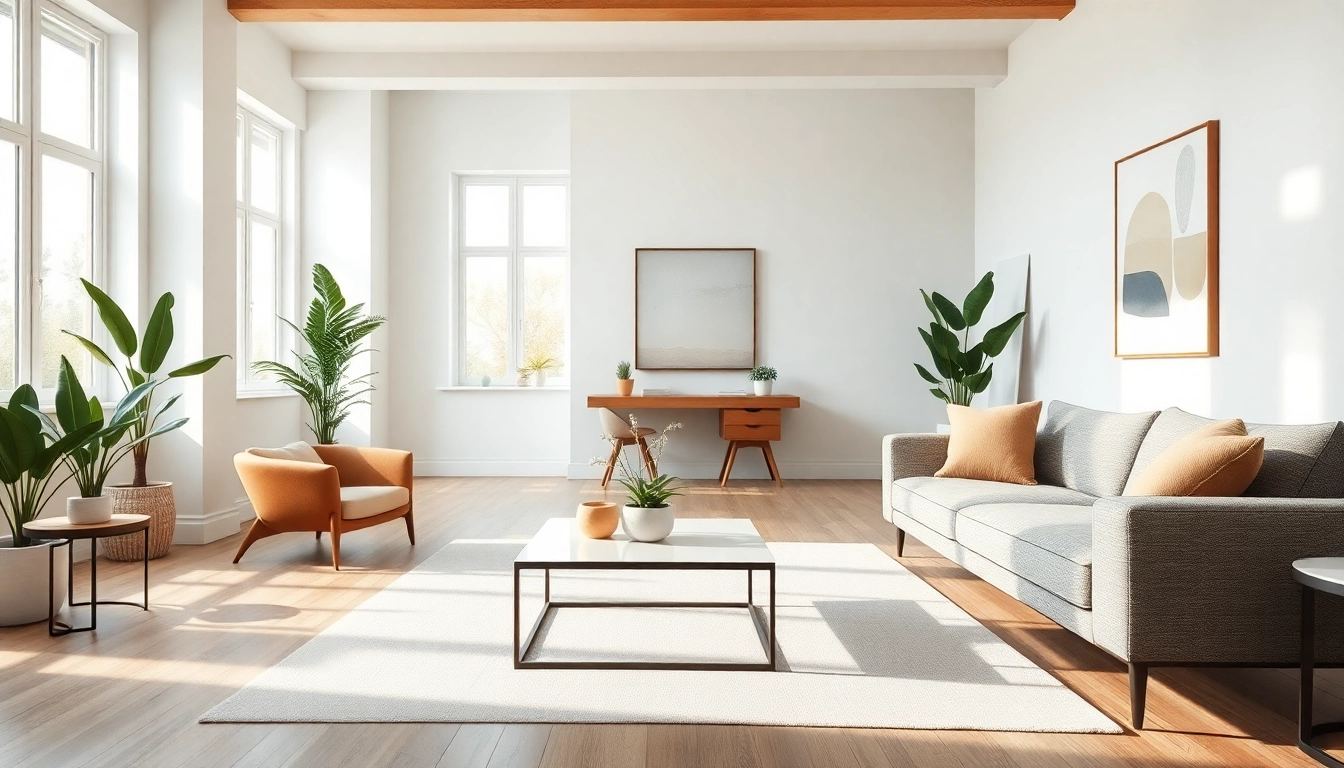
Understanding Home Improvement Basics
What is Home Improvement?
Home improvement encompasses a broad range of activities aimed at enhancing the aesthetics, functionality, and value of a residential property. This can involve renovations, repairs, or overall upgrades to various aspects of a home, from the interior design to the exterior landscape. It provides homeowners with the flexibility to transform their living spaces to better fit their lifestyles and preferences. Engaging in Home improvement projects not only boosts property value but also cultivates a more comfortable and inviting environment.
Popular Types of Home Improvement Projects
Home improvement projects can be categorized in several ways, each suited to different homeowner needs. Popular types include:
- Renovations: Upgrading or altering living spaces, such as kitchens and bathrooms.
- Additions: Expanding the physical space of a home, whether by adding rooms or building out existing areas.
- Landscape Enhancements: Improving outdoor areas through landscaping, gardening, or hardscaping.
- Energy Efficiency Improvements: Upgrading systems like HVAC or installing energy-efficient windows.
- Interior Design Changes: Redecorating spaces with new colors, furnishings, or layouts.
Benefits of Home Improvement
Investing in home improvement projects offers numerous advantages. Some of the key benefits include:
- Increased Property Value: Quality renovations can significantly boost the market value of a home.
- Enhanced Aesthetics: Aesthetic upgrades can improve the overall appearance of a home, making it more inviting.
- Improved Functionality: Enhancements can make homes more livable and tailored to the needs of the family.
- Energy Savings: Upgrading fixtures can lead to lower utility bills through increased efficiency.
- Personal Satisfaction: Renovating a space to reflect personal style contributes to overall happiness and satisfaction.
Planning Your Home Improvement Project
Setting a Realistic Budget
Budgeting is a critical step in the home improvement process. It involves comprehensive assessment of the finances available while accounting for various factors:
- Materials and Labor Costs: Research and list out all necessary materials and expected labor charges.
- Contingency Fund: Set aside 10-20% of the total budget as a cushion for unexpected expenses.
- Prioritize Projects: Identify which projects hold the highest priority and allocate funds accordingly.
Choosing the Right Materials
Material selection can make or break the success of a project. Consider the following when choosing materials:
- Durability: Opt for long-lasting materials to avoid recurrent expenditures.
- Maintenance Needs: Select materials that fit your lifestyle in terms of upkeep.
- Environmental Impact: Wherever possible, choose sustainable materials to reduce your carbon footprint.
Hiring Professionals vs. DIY
The decision to hire professionals or take on projects as a DIY endeavor greatly affects the outcome. Here are some points to consider:
- Skill Level: Assess your own skills honestly; complex projects may require expert assistance.
- Time Consideration: DIY can be time-consuming; professionals can often complete projects more quickly.
- Cost Efficiency: Sometimes, hiring professionals may reduce costs in the long run due to their expertise.
Eco-Friendly Home Improvement Solutions
Benefits of Sustainable Materials
Using sustainable materials offers numerous benefits including longevity, lower environmental impact, and potential rebates or incentives. Sustainable materials such as bamboo flooring, recycled steel, and low-VOC paints ensure a healthier living environment, translating to enhanced wellbeing for you and your family.
Energy-Efficient Home Improvements
Incorporating energy-efficient solutions such as solar panels, high-efficiency heating and cooling systems, and quality insulation pays dividends not only in reduced utility bills but also in the overall comfort of your home. Implementing such improvements can elevate energy ratings and make your property more attractive to eco-conscious buyers.
Green Certifications and Rebates
Homeowners may benefit from acquiring green certifications that demonstrate commitment to environmental responsibility. Various programs offer rebates for utilizing eco-friendly materials or energy-efficient systems, providing financial incentives for homeowners to reduce their ecological footprint.
Interior Design Trends in Home Improvement
Modern vs. Traditional Approaches
Choosing between modern and traditional design approaches reflects personal style but also influences property value. Modern designs focus on minimalism, utilizing clean lines and open spaces, while traditional styles embrace warmth, intricate details, and comfort. A harmonious blend of both can be tailored to individual taste while appealing to potential buyers.
Color Psychology in Home Improvement
Color choices significantly impact mood and ambiance. For example, blues and greens instill calmness, while yellows are energizing. When planning renovations, consider how the colors will influence daily living and choose accordingly to enhance the emotional space of each room.
Maximizing Small Spaces
With the trend towards urban living, making the most of smaller spaces is imperative. Techniques include utilizing multi-functional furniture, optimizing vertical space with shelving, and applying light colors to create an illusion of spaciousness. Innovative storage solutions can also keep clutter at bay, ensuring small homes remain stylish and practical.
Measuring the Success of Home Improvement Projects
Key Metrics to Evaluate Effectiveness
To determine the effectiveness of home improvement projects, consider key metrics such as:
- Return on Investment (ROI): Calculate the impact of improvements on your property's market value.
- Energy Savings: Track reductions in utility bills before and after implementing energy-efficient changes.
- Increased Comfort Levels: Gather feedback from residents regarding the changes made.
Post-improvement Property Value Assessment
After completing home improvements, a formal appraisal can help gauge the added value to your property. Engaging a certified appraiser can provide insights into which areas saw significant enhancement and how they can influence future sale prospects.
Feedback and Future Improvements
The post-project phase should involve gathering feedback from household members to assess satisfaction levels. Continuous improvement is key in home management, ensuring that space remains functional and enjoyable for all occupants.
Frequently Asked Questions
What is the average cost of a home improvement project?
Costs vary widely depending on project scope, materials, and location. Small projects may start at a few hundred dollars, while major renovations can reach tens of thousands.
How long does a typical home improvement project take?
Project durations vary greatly based on complexity. Simple upgrades may take days, while extensive renovations can last weeks or months.
Can I increase my home's value with DIY projects?
Yes, well-executed DIY projects can enhance home value. However, it's critical to ensure that the quality meets industry standards.
Are eco-friendly materials more expensive?
Eco-friendly materials can be pricier upfront, but savings on energy bills and potential tax incentives often offset initial costs over time.
How do I find reliable contractors for my project?
Research online reviews, ask for referrals, and check credentials before hiring contractors to ensure quality work and trustworthiness.