
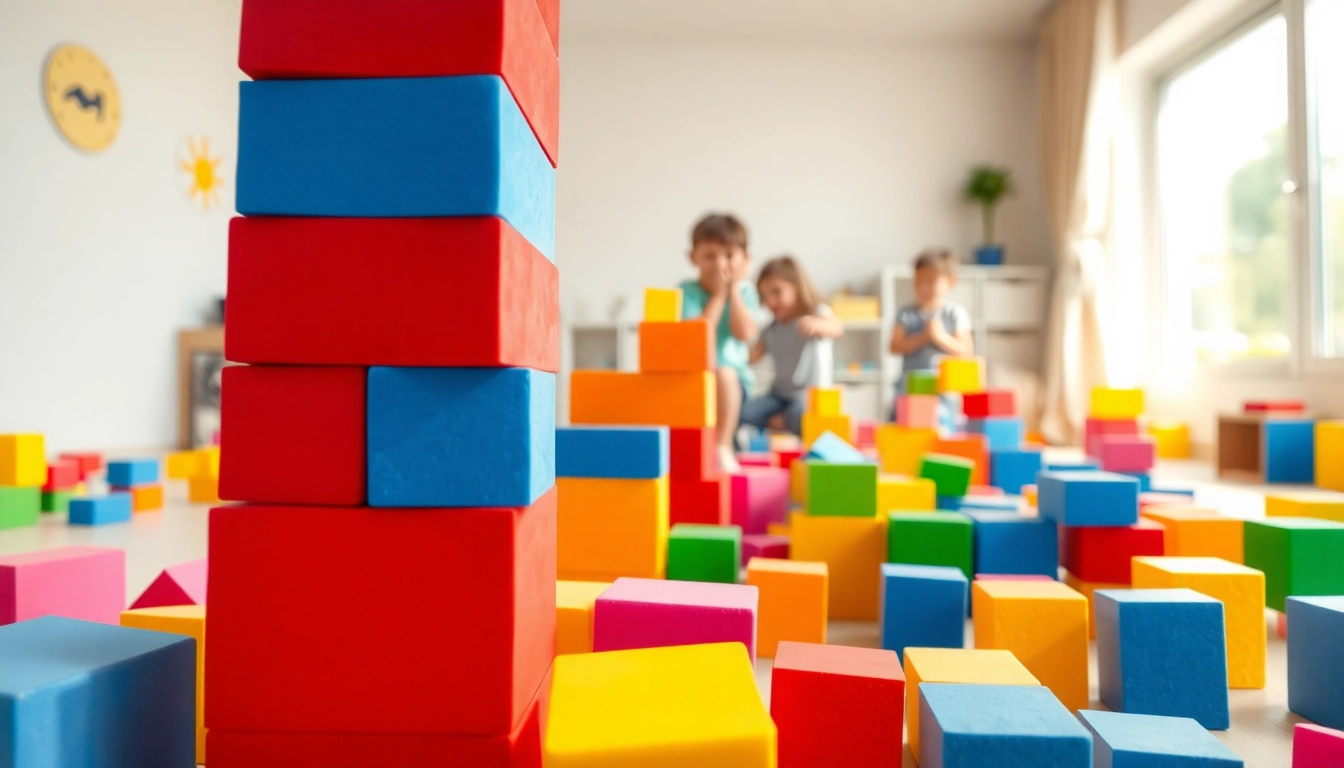
Introduction to Giant Building Blocks
Giant building blocks have become increasingly popular among parents and educators for their versatility and engaging play experiences. These oversized, lightweight foam blocks are not only fun for children to stack and build with but also promote various developmental benefits. Whether your child is creating a fortress, a tower, or a bridge, these blocks provide limitless opportunities for creativity and learning. If you’re curious about how foam building blocks can enhance playtime, find out more about the advantages they offer.
What Are Giant Building Blocks?
Giant building blocks are oversized foam blocks that come in a variety of shapes, sizes, and colors. They usually measure several inches cubed, making them easy for small hands to manipulate. Unlike traditional wooden blocks, foam blocks are safe and soft, reducing the risk of injury during play. These blocks can be used both indoors and outdoors, although proper care should be taken when using them outside to maintain their integrity.
Benefits of Play with Building Blocks
The play associated with building blocks offers a myriad of benefits for children. From physical advantages like improving gross motor skills to cognitive benefits like enhancing problem-solving abilities, building blocks serve as an excellent educational resource. Some key benefits include:
- Physical Development: Manipulating blocks helps strengthen hand-eye coordination and fine motor skills as children grasp, stack, and balance them.
- Cognitive Learning: Children experiment with balance, symmetry, and gravity, enhancing their understanding of basic physics principles.
- Creativity and Imagination: Free play with blocks allows children to express their creativity as they build unique structures that reflect their imaginations.
- Social Skills: When playing together, children develop communication skills, learn teamwork, and negotiate roles and ideas.
How to Choose the Right Building Blocks
Choosing the right giant building blocks involves considering several factors to ensure a beneficial play experience. Here are some points to contemplate:
- Material: Opt for non-toxic, durable foam that can withstand extensive use and is easy to clean.
- Size and Weight: Blocks should be large enough to prevent choking hazards but light enough for little hands to lift and maneuver.
- Variety: A set that includes different shapes and colors can enhance creativity and offer various building challenges.
- Safety Standards: Ensure the blocks comply with safety regulations for children's toys to avoid any health risks.
Setting Up the Perfect Play Area
Designing a Safe Environment
Creating a safe play environment is essential for the enjoyment of giant building blocks. Consider these guidelines when designing your space:
- Flooring: Soft surfaces like carpet or foam mats provide cushioning and safety in case of falls.
- Space: Allow ample room for movement and building. A spacious area enables children to expand their creations without feeling cramped.
- Supervision: Always supervise children during playtime to ensure safe interactions and prevent any accidents.
Incorporating Other Play Elements
To enrich the play experience, consider incorporating additional play elements into the block area. Items such as toy vehicles, dolls, or themed figurines can provide narrative contexts for block structures, encouraging imaginative play. Additionally, integrating sensory stations with items like sand or water can further amplify engagement and creativity during play sessions.
Color and Space Considerations
Colors play an important role in attracting children's attention and influencing their emotions. Bright, vibrant colors can stimulate creativity and excitement, while softer hues can create a calm atmosphere. Additionally, consider the layout of the play area—creating distinct zones for different activities can help children focus better and enhance their overall experience. Finally, keeping some blocks in a designated storage area can teach children about organization and responsibility.
Engaging Activities with Foam Blocks
Building Challenges for Kids
To keep playtime engaging, introduce building challenges that encourage children to think critically and creatively. Examples include:
- Tallest Tower Challenge: See who can build the tallest freestanding tower within a set time limit.
- Shape Building: Challenge kids to create specific shapes or structures, like a house or a bridge, using a limited number of blocks.
- Team Challenges: Divide children into teams and give them a theme (like a castle or spaceship) to build collaboratively.
Team-building Games with Friends
Team-building activities using giant blocks can foster social cooperation and strengthen friendships. Encourage children to work together on larger projects or compete in friendly, timed challenges to promote teamwork. This not only adds a layer of fun but also teaches children valuable social skills such as communication and compromise.
Creative Storytelling with Blocks
Integrating storytelling into block play can enhance creativity and literacy. Encourage children to build settings or characters that align with their favorite stories or create new ones together. By assigning roles and developing plots, children not only enjoy building but also learn to express themselves narratively.
Educational Benefits of Block Play
Enhancing Spatial Awareness
Building with foam blocks significantly enhances children's spatial awareness. As kids stack blocks, they visualize different configurations, recognizing how space and orientation affect their creations. This spatial reasoning is essential for later skills in mathematics and science.
Fostering Social Skills
Collaborative block play encourages communication and social interaction among children. They negotiate, share ideas, and engage in cooperative play, all of which are vital for developing healthy social skills. As they work together, they learn empathy, patience, and understanding of diverse perspectives.
Encouraging Problem-solving
Constructing with blocks presents numerous challenges, fostering critical thinking and problem-solving skills. Children learn to experiment by trying different strategies to achieve stable structures, examining what works and what doesn’t. This hands-on learning reinforces perseverance and creativity in finding solutions.
Frequently Asked Questions
What age is appropriate for foam building blocks?
Foam building blocks are suitable for children aged 2 and up, providing safety and versatility for young learners.
How do I clean foam building blocks?
Simply wipe them down with a damp cloth and mild soap, ensuring they are clean and hygienic for frequent play.
Can foam blocks be used outdoors?
While primarily designed for indoor play, foam blocks can be used outdoors if kept away from moisture and direct sunlight.
Are foam blocks safe for toddlers?
Yes, they are soft, lightweight, and perfect for toddlers to explore safely without the risk of injury.
How does playtime with blocks aid development?
It supports fine motor skills, fosters creativity, and encourages cognitive development through hands-on learning experiences.