Understanding the Importance of Fence Cleaning
Maintaining a clean and well-kept fence is critical, as it not only enhances the aesthetic appeal of your property but also prolongs the lifespan of the fence itself. Neglecting fence cleaning can lead to serious issues such as rot, paint deterioration, and unsightly stains. Regular upkeep ensures that your fence looks its best and remains structurally sound, making Fence Cleaning an essential practice for homeowners.
Benefits of Regular Fence Cleaning
Cleansing your fence regularly comes with various advantages, including:
- Enhanced Aesthetic Appeal: A clean fence contributes to an overall tidy yard and enhances curb appeal, which is particularly important if you're planning to sell your home.
- Prolonged Lifespan: Regular cleaning removes harmful substances such as mold, mildew, and algae that can deteriorate the material, whether it’s wood, vinyl, or metal.
- Improved Property Value: A well-maintained fence can enhance property value, making your estate more attractive to potential buyers.
- Prevention of Pest Infestations: Keeping your fence clean can deter pests from settling around your property, reducing the risk of infestations.
Signs Your Fence Needs Cleaning
How can you tell when your fence is due for a cleaning? Here are a few signs to look out for:
- Visual Stains: Noticeable marks or discoloration caused by dirt, mold, or mildew.
- Green Algae Growth: If you see algae or moss growing on your fence, it's time to clean.
- Worn Finish: A faded or peeling finish indicates neglect and may require a restoration procedure.
- Pest Problem: Finding insects regularly or seeing rust in the case of metal fences can signify underlying issues.
Environmental Factors Affecting Your Fence
The environment plays a significant role in how quickly your fence needs cleaning. Key factors include:
- Weather Conditions: Areas with high humidity and rainfall tend to develop mold and algae more quickly.
- Sun Exposure: UV rays can fade paint and composite materials, leading to faster deterioration.
- Nearby Vegetation: Plants and trees can deposit debris and organic matter, promoting decay and infestation.
Choosing the Right Methods for Fence Cleaning
When it comes to cleaning your fence, selecting the right method is crucial for achieving optimal results without damaging the material. Here are methods to consider.
Soft Wash vs. Pressure Washing
Two primary methods for fence cleaning include soft washing and pressure washing:
Soft Washing: This method uses gentle cleaning solutions combined with low-pressure water. It's especially recommended for sensitive materials like wood. Soft washing removes dirt and grime without risking damage to the surface.
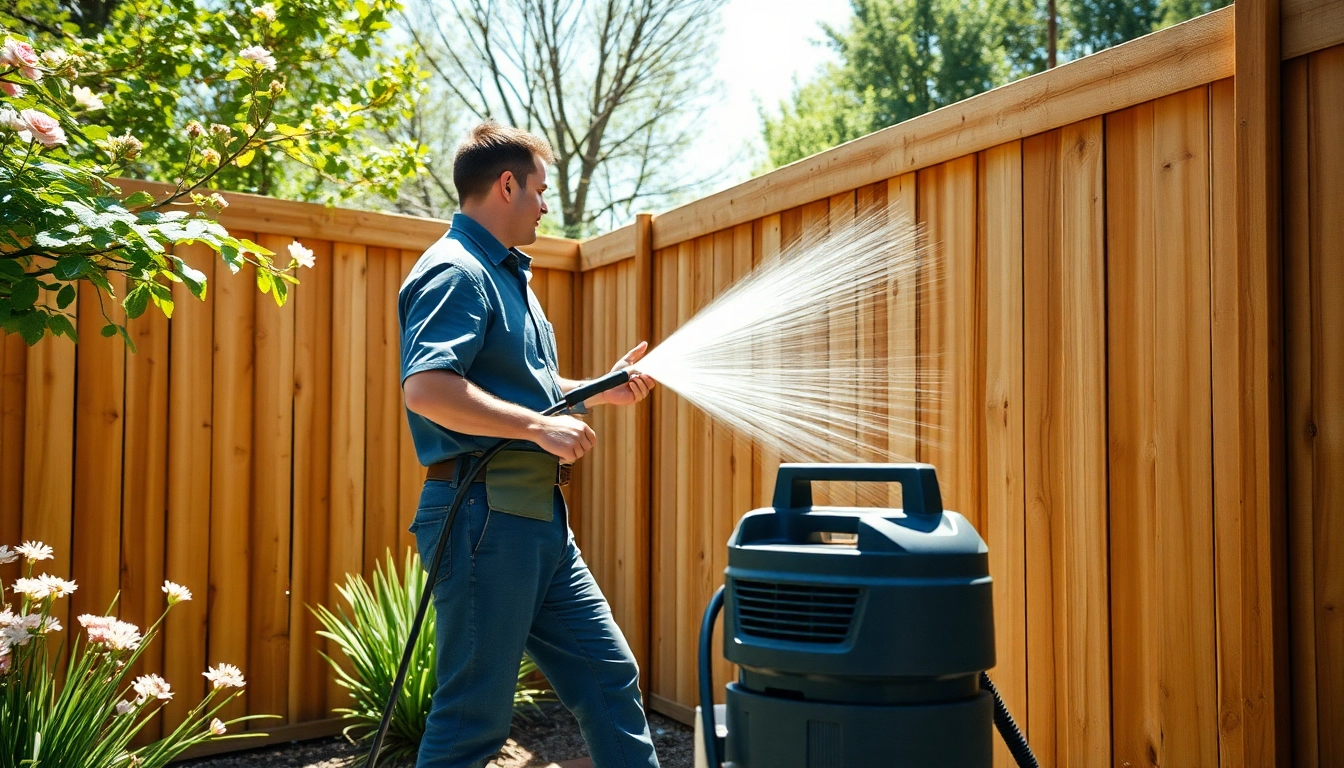
Pressure Washing: A more aggressive method, pressure washing utilizes high-pressure water spray. This is effective for hard surfaces and heavy staining but must be performed with caution on softer materials to avoid causing structural damage.
Homemade Cleaning Solutions
Many homeowners opt for cost-effective, homemade cleaning solutions that use common household items. Here are a few recipes:
- Vinegar Solution: A mixture of equal parts vinegar and water works effectively for mold and mildew.
- Bleach Solution: Combine one part bleach with three parts water for a strong disinfecting solution. Always wear protection when using bleach.
- Baking Soda Paste: Mix baking soda with water to form a paste that can tackle tough stains effectively.
Store-Bought Fence Cleaning Products
If you prefer commercial-grade cleaning solutions, several effective products are available:
- Chemical Cleaners: These are designed specifically for different materials (wood, vinyl, metal) and can provide quick results.
- Bio-Based Cleaners: Eco-friendly cleaners that utilize natural ingredients to minimize environmental impact while still being effective.
Step-by-Step Process for Fence Cleaning
Effective fence cleaning follows a structured approach to ensure thoroughness and safety. Here is a step-by-step process:
Preparing Your Yard and Fence
Before you begin cleaning, preparation is key:
- Clear the Area: Remove any furniture, plants, or debris surrounding the fence.
- Inspect the Fence: Look for damaged spots, rotting wood, or loose panels that need repairs before cleaning.
- Gather Your Supplies: Make sure you have all necessary tools, cleaning solutions, and safety gear on hand.
Applying Cleaning Solutions Safely
When applying your chosen cleaning solution:
- Test a Small Area: Before proceeding with the entire fence, test the solution on an inconspicuous area to check for reactions.
- Use Protective Gear: Always wear gloves, goggles, and a mask, especially if using bleach or strong chemicals.
- Follow Instructions: Adhere to the manufacturer's guidelines for diluting and applying chemical products.
- Work from Top to Bottom: Start from the top of your fence and work downwards to catch drips and prevent streaking.
Post-Cleaning Maintenance Tips
After cleaning your fence, follow these post-cleaning care tips to maintain its integrity:
- Inspect Again: Review the fence for any damages that may need repair or treatment.
- Apply Sealant or Stain: Consider applying a protective finish to prevent future damage and staining.
- Regular Maintenance Schedule: Establish a schedule for cleaning and inspections, ideally every 6-12 months depending on environmental conditions.
Common Challenges in Fence Cleaning
While fence cleaning is important, it does come with its own set of challenges. Here’s how to tackle them:
Dealing with Stubborn Stains
Stubborn stains from rust, algae, or weathering can be tough to remove. Here are some strategies:
- Stronger Solutions: Use potent cleaning solutions designed specifically to target tough stains.
- Sanding for Wood Fences: For wood, light sanding can remove deeply embedded stains before cleaning.
- Repeat Applications: Sometimes multiple applications are necessary before a stain completely disappears.
Protecting Surrounding Lawn and Plants
Chemicals can harm surrounding grass and plants. To mitigate this:
- Water Plants: Water nearby plants before applying cleaning solutions to form a protective barrier.
- Use Tarps: Lay down tarps around the base of the fence to catch drips and protect the soil.
Weather Considerations for Cleaning
Cleaning should not be conducted in extreme weather conditions:
- Dry Days: Aim for dry, overcast days to reduce evaporation and ensure effective cleaning.
- Avoid Wind: Wind can carry chemicals to unintended areas and create messes.
FAQs About Fence Cleaning
How often should I clean my fence?
It’s recommended to clean your fence at least once a year, but this can vary based on environmental conditions like humidity and rainfall.
Can I use bleach to clean my fence?
Yes, bleach can be effective; however, it should be diluted and used cautiously. Always test on a small area first to check for potential damage.
What are the costs associated with fence cleaning?
Costs vary widely but generally range from $30 to $800, depending on size and cleaning method. Pressure washing typically incurs higher costs.
Should I hire a professional for fence cleaning?
Hiring professionals can be beneficial for larger or heavily stained fences. They bring expertise, equipment, and time savings.
How long does the fence cleaning process take?
The process can take anywhere from 1 to 4 hours, depending on the fence size, material, and cleaning method employed.