Understanding Metal Fabrication Technologies
In today's industrial landscape, the significance of efficient metal fabrication technologies cannot be overstated. As businesses across various sectors strive for operational excellence, understanding the nuances of sheet metal fabrication becomes essential. This article explores fundamental concepts, innovative processes, and best practices that enhance the quality and efficiency of metalworking, guiding both newcomers and seasoned professionals alike.
What is Sheet Metal Fabrication?
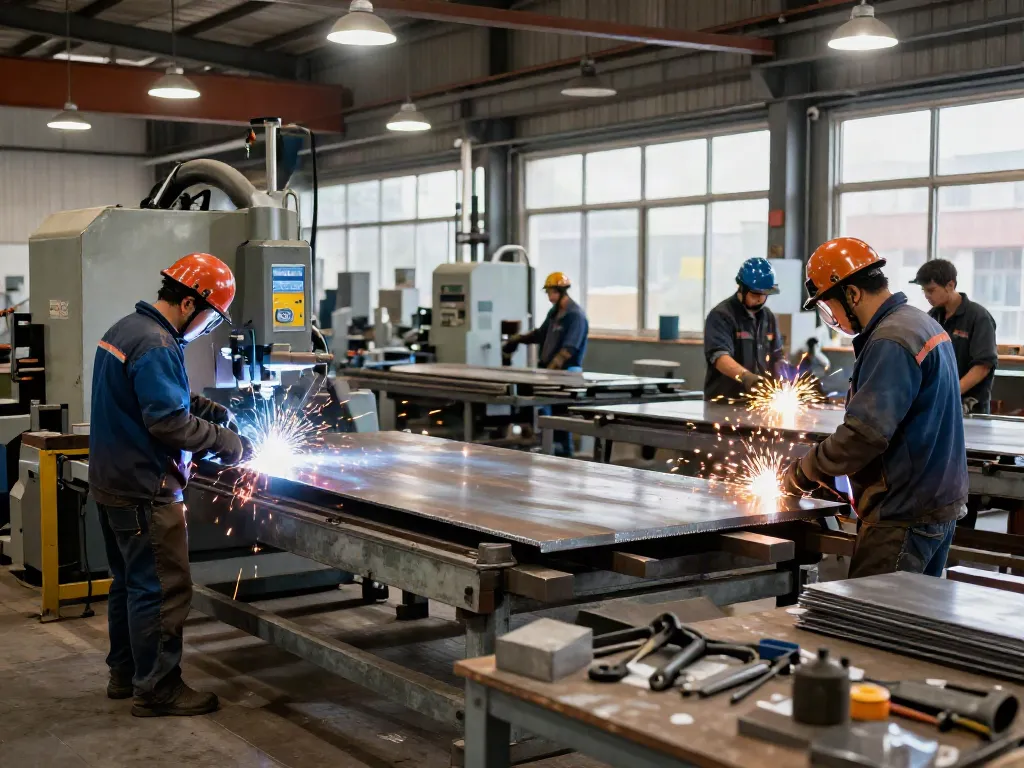
Sheet metal fabrication is the process of transforming flat sheets of metal into specific shapes and sizes according to the requirements of various applications. This complex process involves several stages, including cutting, bending, welding, and assembling, to produce parts or products for industries ranging from construction to automotive. By leveraging a variety of techniques and tools, manufacturers can create everything from intricate components to large structural pieces, showcasing the versatility and importance of metal fabrication in modern manufacturing.
Types of Metal Fabrication Processes
Metal fabrication encompasses several processes, each tailored to meet specific project requirements. Common types include:
- Cutting: This initial step involves cutting sheets into desired shapes using methods like laser cutting, water jet cutting, and plasma cutting.
- Bending: Once cut, metal sheets are bent into forms using press brakes or other bending machines, which allow for precise angles and shapes.
- Welding: This process joins metal parts through techniques such as MIG, TIG, and spot welding, establishing strong connections between components.
- Finishing: Finally, surface treatments like powder coating, painting, or anodizing provide durability and aesthetic appeal to the finished products.
Innovative Technologies in Metalworking
Emerging technologies play a crucial role in enhancing the efficiency and precision of metal fabrication. Advanced computer-aided design (CAD) and computer-aided manufacturing (CAM) software allow for greater customization and accuracy, enabling manufacturers to create complex designs with ease. Furthermore, the integration of 3D printing in metal fabrication is revolutionizing the industry by allowing for rapid prototyping and reduced material waste.
Choosing the Right Metalwork Partner
As you embark on your metal fabrication journey, selecting the right partner is paramount. An ideal partner will not only possess the necessary technical expertise but also align with your project’s specific needs, ensuring a successful collaboration. When exploring options, https://www.millersheetmetalinc.com/ provides comprehensive insights into high-quality metal fabrication services.
Evaluating Metal Fabrication Companies
When assessing potential metal fabrication companies, consider the following factors:
- Experience: A company with a proven track record in your specific industry can better understand your unique needs and challenges.
- Capabilities: Ensure the company has the equipment and technology to handle the complexity of your project, including advanced fabrication techniques.
- Reputation: Look for customer reviews and testimonials; satisfied clients often indicate a reliable and skilled fabricator.
- Certifications: Check for industry certifications that demonstrate adherence to quality standards, which can be vital in regulated industries.
Questions to Ask Your Metalworking Partner
Before making a commitment, it’s prudent to ask prospective partners targeted questions, such as:
- What fabrication processes do you specialize in?
- Can you provide case studies of similar projects?
- What is your lead time and capacity for handling projects?
- How do you ensure quality control throughout the fabrication process?
Importance of Certifications and Standards
Certifications and standards play an essential role in the metal fabrication industry as they ensure that products meet specific quality criteria and regulations. Certifications such as ISO 9001 demonstrate a commitment to quality management systems, while industry-specific certifications may be required for sectors like aerospace or medical manufacturing. Understanding these standards can help you choose a fabricator who meets the necessary requirements for your project.
Negotiating Effective Metalwork Contracts
Once you've identified a potential metal fabrication partner, the next step is negotiating a contract that protects your interests while fostering collaboration. An effective contract should clearly outline project expectations, deliverables, and payment terms.
Key Components of a Metalwork Contract
A comprehensive contract should include:
- Scope of Work: Detailed descriptions of the tasks to be performed, including timelines and milestones.
- Payment Terms: Specify payment schedules, deposit requirements, and any contingency clauses.
- Quality Standards: Ensure the contract includes explicit quality metrics and inspection processes.
- Liabilities: Define responsibilities regarding delays, damages, or defects in the final product.
How to Negotiate Price and Value
When negotiating prices, focus on the overall value offered rather than the lowest bid. Consider aspects such as:
- Quality of materials and craftsmanship.
- Timeliness of delivery and project management.
- Post-project support and maintenance services.
Balancing cost with these factors can lead to a more beneficial partnership in the long run.
Understanding Terms and Conditions
Before signing any contract, thoroughly review the terms and conditions. Ensure you understand clauses related to payment, timelines, quality assurance, and any potential penalties for non-compliance. It may also be beneficial to consult with a legal expert to clarify complex terms.
Best Practices for Metal Fabrication Projects
Successfully managing metal fabrication projects requires meticulous planning and execution. Incorporating industry best practices can lead to better outcomes and improved efficiency.
Planning Your Metalwork Projects Effectively
Effective project management begins with thorough planning. Key steps include:
- Defining clear objectives and specifications.
- Creating a detailed project timeline with milestones.
- Allocating resources effectively to avoid bottlenecks.
- Establishing open communication channels among all stakeholders.
Common Challenges in Metal Fabrication
Metal fabrication projects often encounter challenges such as:
- Material shortages or delays.
- Fluctuating costs of raw materials.
- Technical issues during fabrication.
- Quality control discrepancies.
Proactively addressing these challenges through risk management strategies can enhance the likelihood of project success.
Quality Control Measures in Metalworking
Implementing rigorous quality control measures is critical in ensuring that the final products meet necessary standards. Best practices include:
- Conducting inspections at various stages of production.
- Utilizing statistical process control (SPC) techniques.
- Incorporating feedback loops for continuous improvement.
Future Trends in Metal Fabrication
As the metal fabrication industry evolves, several trends are set to shape its future. Staying abreast of these developments will be vital for any metalworking business aiming to remain competitive.
Emerging Technologies for 2026 and Beyond
Emerging technologies such as artificial intelligence (AI) and machine learning are beginning to play significant roles in metal fabrication. These technologies can optimize production processes, reduce waste, and improve machine uptime through predictive maintenance.
Impact of Sustainability on Metalworking
Increasingly, sustainability is becoming a critical focus in manufacturing, including metal fabrication. Companies are exploring eco-friendly materials, waste reduction techniques, and energy-efficient processes to minimize their environmental impact.
Predictions for the Metalwork Industry
Looking ahead, industry experts predict a growing demand for customization and automation in metal fabrication. As technology advances, companies that embrace innovation and adapt to consumer demands will likely thrive in an increasingly competitive market.
What Are the Benefits of Professional Sheet Metal Services?
Investing in professional sheet metal services yields numerous advantages, including:
- Expertise: Skilled professionals bring specialized knowledge that enhances design and production efficiency.
- Custom Solutions: Tailored services can meet unique project specifications, leading to higher satisfaction.
- Time Savings: Professionals can expedite the fabrication process, allowing for quicker turnaround times.
How to Ensure Quality in Your Metal Fabrication?
To ensure the highest quality in metal fabrication, consider these strategies:
- Choose a reputable fabricator with a track record of success.
- Establish clear quality expectations from the outset.
- Conduct regular inspections and audits throughout the fabrication process.
Why Invest in Custom Metal Fabrication?
Custom metal fabrication allows for unique designs tailored to specific applications, which can enhance product functionality, aesthetics, and efficiency. Moreover, custom solutions often lead to significant cost savings by reducing material waste and improving production timelines.
What are the Cost Factors in Metal Fabrication?
Understanding the cost factors involved in metal fabrication is vital for budgeting accurately. Key considerations include:
- Material Costs: Prices of raw materials can fluctuate, affecting overall project costs.
- Labor Costs: Skilled labor is essential for high-quality fabrication, impacting budget considerations.
- Equipment and Technology: The use of advanced machinery can enhance efficiency but may also increase initial investments.
How to Choose the Right Metal for Your Project?
Selecting the appropriate metal for your project is crucial and depends on several factors, including:
- The intended application and environment.
- Desired strength and durability.
- Cost-effectiveness and availability of materials.
Careful consideration of these factors helps ensure that the right materials are used, ultimately leading to successful project outcomes.