
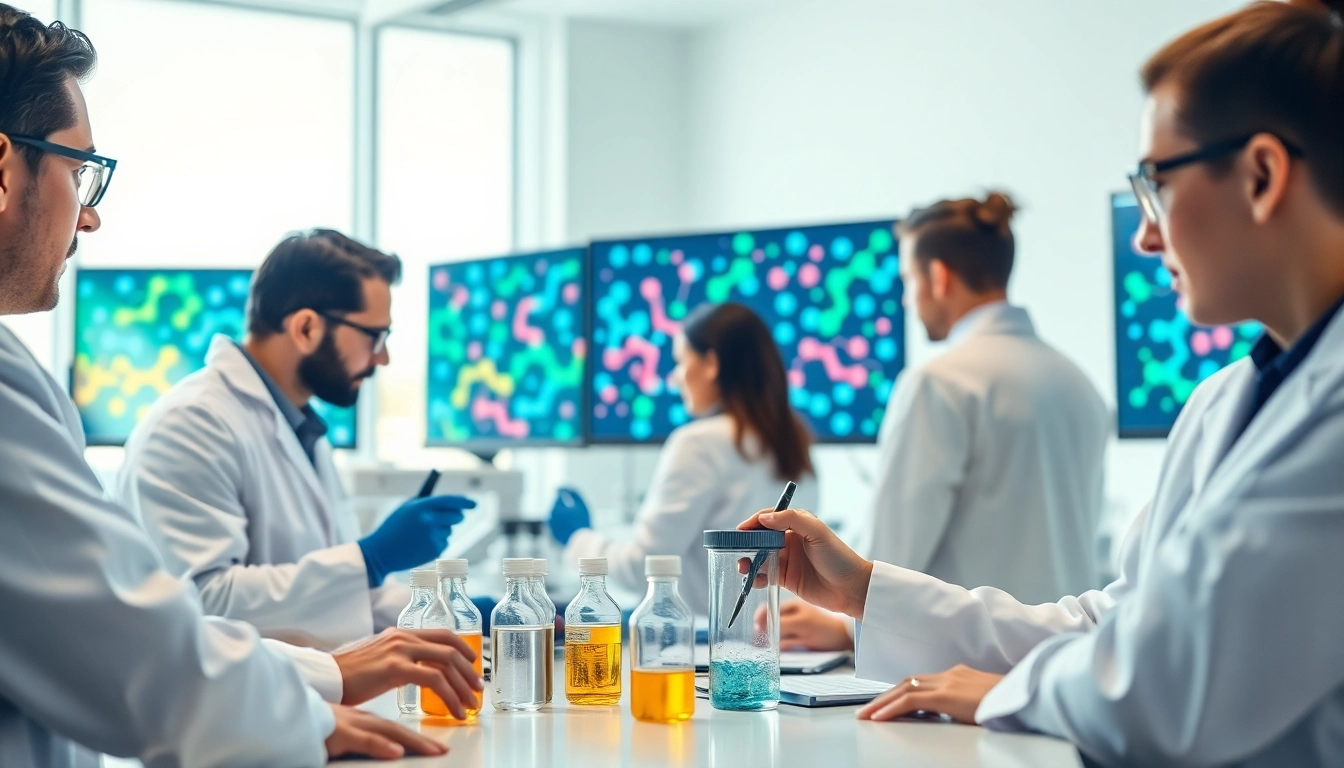
The Fundamentals of Peptide Research
Understanding Peptides Basics
Peptides are short chains of amino acids, typically consisting of 2 to 50 amino acids linked by peptide bonds. Their structure and sequence define their function and biological activity, making them crucial in various biological processes. The versatility of peptides stems from their ability to interact with specific receptors, resulting in a wide range of physiological effects. From hormones to neuropeptides, understanding the basic chemistry and biology of peptides is essential for advancing therapeutic applications.
Importance of Peptide Synthesis
Peptide synthesis plays a pivotal role in peptide research, allowing scientists to produce specific peptides in the lab for experimental and therapeutic use. There are primarily two methods for peptide synthesis: solid-phase synthesis and solution-phase synthesis. Solid-phase synthesis is the most widely used method due to its efficiency and ease of automation. Understanding the techniques and conditions necessary for successful peptide synthesis is vital for researchers looking to innovate within this field.
Applications in Medicine and Therapy
Peptides have garnered significant interest in medical applications, particularly in the treatment of diseases such as diabetes, cancer, and cardiovascular conditions. As therapeutic agents, peptides can be engineered to target specific cells and tissues, thereby maximizing treatment efficacy while minimizing side effects. For instance, insulin, a peptide hormone, is crucial for regulating glucose levels in the body, while cancer drugs that utilize peptide technology are being developed to improve patient outcomes. This growing field reflects the enduring utility of peptides in advancing health sciences.
Exploring Peptide Therapeutics
Mechanisms of Action
Peptides exert their effects through well-defined mechanisms, often engaging with cellular receptors to trigger specific signaling pathways. The ability of peptides to mimic naturally occurring hormones and neurotransmitters allows them to produce targeted physiological responses. For example, some therapeutic peptides act as agonists or antagonists at hormone receptors, providing a balanced approach to modulating biological responses. Understanding these mechanisms is vital for optimizing peptide-based therapies.
Advantages Over Traditional Drugs
Peptides offer several advantages compared to traditional pharmaceuticals, including higher specificity, lower toxicity, and fewer side effects. Due to their smaller size and unique conformational characteristics, peptides can navigate biological barriers more effectively than small-molecule drugs. Moreover, peptides can be designed to degrade quickly, minimizing the risk of cumulative toxicity in patients. These attributes position peptides as attractive alternatives in many therapeutic areas.
Challenges in Development
Despite their potential, developing peptide therapeutics presents several challenges. One major issue is peptide stability; many are prone to degradation by proteolytic enzymes in the body. Additionally, manufacturing complexities and high production costs can limit widespread use. Ensuring bioavailability is another challenge, as the route of delivery can significantly impact effectiveness. Researchers are actively seeking innovative solutions to overcome these hurdles and unlock the full potential of peptide therapeutics.
State-of-the-Art Techniques in Peptide Analysis
High-Performance Liquid Chromatography (HPLC)
High-Performance Liquid Chromatography (HPLC) is a pivotal technique used in the purification and quantification of peptides. This method provides high resolution and rapid separation, allowing researchers to analyze complex peptide mixtures effectively. In peptide research, HPLC can be utilized to assess purity and identify structural impurities, making it an indispensable tool in both synthetic and analytical tasks.
Mass Spectrometry in Peptide Characterization
Mass spectrometry (MS) is another cornerstone technology in peptide research, offering precise molecular weight measurements and structural information. MS can identify and characterize peptides based on their mass-to-charge ratio, leading to insights into sequence and post-translational modifications. Coupled with HPLC, mass spectrometry enhances the accuracy of peptide analysis, providing comprehensive data that is critical for developing and testing new therapeutic agents.
Future Trends in Analytical Methods
The field of peptide analysis is evolving rapidly, driven by advancements in technology. Emerging techniques such as next-generation sequencing (NGS) and microfluidic devices are paving the way for innovative methods of peptide screening and analysis. These advancements promise to improve the efficiency of peptide research, enabling high-throughput screening and accelerated drug development processes.
Peptide-based Innovations in Research
Emerging Applications in Cancer Treatment
Recent research indicates that peptides may play a critical role in cancer treatment through targeted therapies and immunotherapy. For example, tumor-targeting peptides can selectively bind to cancer cells, delivering cytotoxic agents directly, thereby sparing healthy tissues. Likewise, peptide vaccines are gaining interest as a means to stimulate an immune response against specific cancer antigens. These innovations highlight the significant potential of peptides in addressing various aspects of cancer therapy.
Role in Metabolic Disorders
Peptides are increasingly recognized for their role in managing metabolic disorders like obesity and diabetes. Peptide hormones such as glucagon-like peptide-1 (GLP-1) enhance insulin secretion and inhibit glucagon release, making them valuable in managing blood sugar levels. This increasing focus on peptide-based interventions underscores the need for ongoing research into their metabolic impacts and therapeutic applications.
Impact on Vaccine Development
The ongoing need for effective vaccines has led researchers to explore peptide-based vaccines as a promising avenue. These vaccines aim to elicit a targeted immune response by presenting specific peptide sequences from pathogens. This approach allows for tailored vaccine designs that can potentially enhance efficacy and reduce side effects, aligning with the growing demand for precision medicine.
Frequently Asked Questions about Peptides
What are peptides and why are they important?
Peptides are short chains of amino acids that play crucial roles in biological functions, serving as hormones, neurotransmitters, and signaling molecules in the body.
How is peptide synthesis conducted?
Peptide synthesis involves laboratory methods such as solid-phase synthesis or solution-phase synthesis to create specific peptide sequences used for research and therapeutic applications.
What are the therapeutic benefits of peptides?
Peptides offer advantages like high specificity, lower toxicity, and the ability to mimic natural functions, making them valuable in treating various conditions, including cancer and metabolic disorders.
What challenges do researchers face in peptide applications?
Challenges include peptide stability, production costs, and bioavailability, which can affect the overall efficacy and feasibility of peptide-based therapies.
What future trends should we expect in peptide research?
Future trends may involve advanced analytical techniques, greater integration with genomics, and innovative therapeutic applications in areas such as immunotherapy and metabolic disease management.
To explore the exciting potential of peptide therapeutics, researchers and medical professionals can buy cagrilintide as a pathway to advancing their understanding and applications in this vital area of science.