
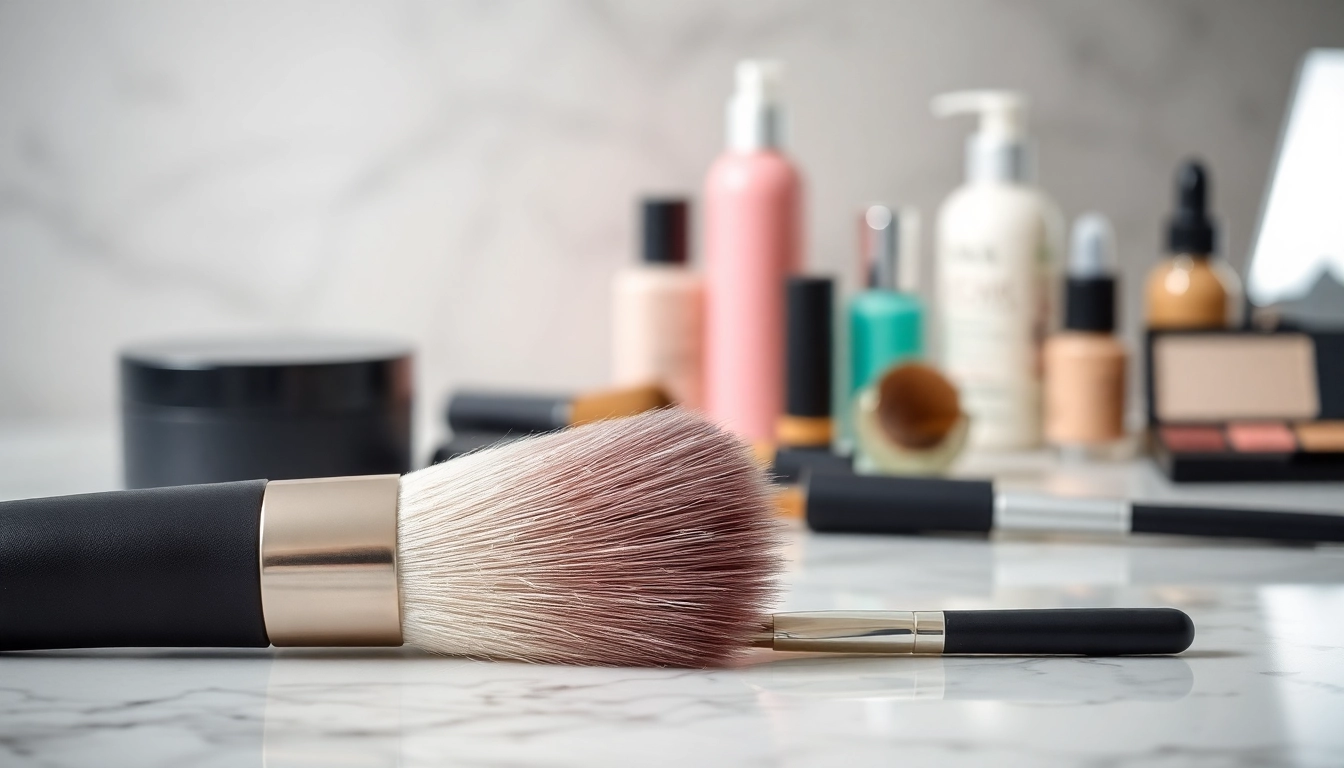
Introduction to Dense Makeup Brush
Definition and Importance
A dense makeup brush is characterized by its tightly packed bristles, designed to pick up and distribute makeup products effectively. Unlike more loosely bristled brushes, a dense makeup brush excels in creating a smooth and uniform application, making it especially valuable for foundation, concealer, and other cream-based products. Using a dense makeup brush can greatly enhance the overall quality of your makeup look, ensuring that products blend seamlessly into the skin.
When to Use a Dense Makeup Brush
Dense makeup brushes are ideal for various makeup applications. They are particularly useful when working with liquid and cream foundations, where even distribution is crucial. Additionally, they can amplify the effectiveness of cream blush, contour, and highlighter, allowing for meticulous application and blending. A dense makeup brush is also perfect for setting powders, as the density helps to lock everything in place without disturbing your base makeup.
Common Misconceptions
Despite their popularity, there are misconceptions around dense makeup brushes. One common belief is that they are only suited for thick, heavy makeup, which is not accurate. When wielded correctly, a dense makeup brush can create natural and lightweight looks as well. Another misconception is that all dense brushes are the same. In fact, variations in bristle material, shape, and size can dramatically impact performance, so it’s essential to choose wisely based on your specific application needs.
Choosing the Perfect Dense Makeup Brush
Types and Material Variations
There are various types of dense makeup brushes available, each tailored for specific applications. Synthetic brushes are great for cream and liquid products, while natural hair brushes can deliver a more airbrushed finish with powders. The choice between synthetic and natural bristles should be based on the products you intend to use and your personal preference in feel and finish.
Brush Size and Shape Considerations
The size and shape of a dense makeup brush also matter greatly. Flat-top kabuki brushes are versatile for buffing, while angled brushes are particularly effective for contouring. Smaller brushes are fantastic for precision applications, such as around the eyes or nose, while larger brushes can cover larger areas quickly. Assessing your facial features and the makeup techniques you prefer will guide you in selecting the right size and shape.
Price vs. Quality: What Matters?
When purchasing a dense makeup brush, it's vital to strike a balance between price and quality. Expensive brushes often boast superior materials and craftsmanship, which can enhance longevity and performance. However, budget-friendly options can also deliver great results if properly selected. Invest in a few high-quality brushes that you use regularly, while considering budget-friendly alternatives for occasional use.
Techniques for Using a Dense Makeup Brush
Applying Foundation Evenly
To apply foundation evenly with a dense makeup brush, start by dispensing a small amount of product onto the back of your hand. Dip the brush into the foundation and begin applying it at the center of your face, blending outwards. Use circular motions for a flawless finish and ensure to cover all areas, including around the nose and jawline. Remember to layer gradually; a little product can go a long way when using a dense brush.
Blending Techniques for Flawless Results
Blending is paramount in achieving a seamless makeup look. With a dense makeup brush, use back-and-forth strokes to meld products into each other, ensuring that no harsh lines remain. For contouring, start at the outskirts of the area you want to enhance, working inward for a natural shadow effect. When blending blush or highlighter, use a stippling motion to create a soft, diffused look.
Avoiding Common Application Mistakes
To avoid common pitfalls when using a dense makeup brush, start with minimal product to prevent caking. Also, ensure that your brush is clean, as dirty brushes can lead to streaking and uneven application. Avoid too much pressure; let the bristles do the work. Lastly, it’s wise not to skip setting spray or powder to lock in your look, as this can significantly improve longevity.
Caring for Your Dense Makeup Brush
Cleaning and Maintenance Tips
Regular cleaning of your dense makeup brush is essential for maintaining its performance and hygiene. Wash brushes with gentle soap and lukewarm water at least once every two weeks. Swirl the brush in the water and gently work the bristles, avoiding the brush head to keep the ferrule intact. Rinse thoroughly and reshape the bristles before laying flat to dry.
Signs It’s Time to Replace Your Brush
Knowing when to replace your dense makeup brush can save you from ineffective application. If bristles have lost their shape, feel rough, or you notice a buildup of product that doesn’t wash out, it may be time for a new brush. Additionally, if the brush smells or the bristles begin to fall out excessively, it’s a clear sign for replacement.
Storing Your Brush for Longevity
Proper storage significantly impacts the lifespan of your dense makeup brush. Store brushes upright in a holder to preserve bristle shape and prevent damage. Avoid leaving them in damp environments, as moisture can lead to mold and degradation. Consider using brush rolls or protective coverings for travel to keep your brushes safe and clean.
Frequently Asked Questions about Dense Makeup Brush
What is the best way to clean my dense makeup brush?
The best way to clean your dense makeup brush is to use mild soap and warm water. Rinse thoroughly and reshape the bristles, laying flat to dry to maintain their shape.
Can I use a dense makeup brush for all types of makeup?
Yes, a dense makeup brush is versatile and suitable for foundation, contouring, and applying creams and powders, making it a great all-rounder.
How often should I replace my dense makeup brush?
It is recommended to replace your dense makeup brush every 6-12 months or sooner if the bristles lose shape or feel rough to ensure optimal performance.
Will a dense makeup brush give me a natural finish?
Absolutely! When used correctly, a dense makeup brush buffs products into the skin, resulting in a smooth and seamless finish that looks natural.
Are more expensive dense makeup brushes worth it?
Generally, higher quality brushes offer better bristle retention and durability, which can significantly enhance your makeup application experience and results.