
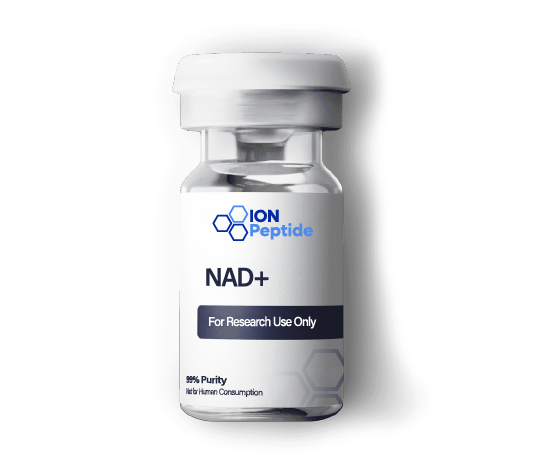
Understanding NAD+ and Its Role in Scientific Research
NAD+ is a vital coenzyme present in all living cells, playing a central role in metabolic reactions and cellular energy production. In laboratory environments, NAD+ is widely used to study biochemical pathways, enzyme activity, and cellular health. Because of its importance, researchers require NAD+ materials that maintain a stable composition throughout their lifecycle.
The stability of NAD+ directly affects the reliability of experimental outcomes. When NAD+ is produced and stored under controlled conditions, it retains its structural integrity and performs consistently in research applications. This makes stable NAD+ materials a critical requirement for laboratories focused on precision and reproducibility.
The Importance of Stable Composition in NAD+ Materials
Stable composition in NAD+ materials ensures that the compound remains chemically consistent over time. This stability is essential for maintaining the accuracy of experimental data. Any variation in the composition of NAD+ can lead to inconsistent results, making it difficult for researchers to draw reliable conclusions.
In advanced laboratory settings, even minor fluctuations in NAD+ quality can significantly impact sensitive experiments. Stable NAD+ materials help eliminate these risks by providing a dependable foundation for scientific work. This consistency is particularly important in long-term studies where results must be compared across multiple phases of research.
Maintaining a stable composition also enhances the usability of NAD+. Researchers can store and handle the compound with confidence, knowing that its properties will remain unchanged under proper conditions.
Production Techniques Ensuring NAD+ Stability
The production of NAD+ materials with stable composition involves advanced techniques designed to preserve chemical integrity. Manufacturers use carefully controlled synthesis processes to ensure that NAD+ is produced with minimal impurities and maximum consistency.
Enzymatic synthesis is often employed to create NAD+ that closely resembles its natural form. This method helps maintain stability by reducing the presence of unwanted byproducts. Chemical synthesis is also used, offering precise control over the molecular structure of NAD+ and enabling large-scale production.
During production, environmental factors such as temperature, humidity, and pH are strictly regulated. These controls prevent degradation and ensure that NAD+ retains its intended properties. By combining advanced techniques with controlled conditions, manufacturers can produce NAD+ materials that meet the highest standards of stability.
Quality Control and Stability Testing
Quality control plays a crucial role in ensuring the stable composition of NAD+ materials. Each batch undergoes rigorous testing to verify its purity, structure, and performance. Analytical methods such as chromatography and spectroscopy are used to detect any deviations from expected specifications.
Stability testing is conducted to evaluate how NAD+ behaves under different conditions. This includes exposure to varying temperatures, light, and storage environments. The results of these tests help establish guidelines for handling and storage, ensuring that NAD+ remains stable throughout its use.
By implementing strict quality control measures, manufacturers can guarantee that NAD+ materials maintain their composition over time. This reliability is essential for supporting high-quality research and ensuring consistent experimental outcomes.
Storage Conditions and Handling Practices
Proper storage and handling are key factors in preserving the stability of NAD+. Even the highest quality NAD+ materials can degrade if not stored correctly. Laboratories must follow recommended guidelines to maintain the integrity of the compound.
NAD+ is typically stored in controlled environments with regulated temperature and humidity levels. Protection from light is also important, as exposure can lead to chemical changes. Researchers are advised to use appropriate containers and minimize repeated exposure to external conditions.
Handling practices also play a significant role in maintaining stability. Careful measurement, proper sealing, and adherence to standard operating procedures help prevent contamination and degradation. By following these practices, laboratories can ensure that NAD+ retains its stable composition.
Applications of Stable NAD+ Materials in Research
Stable NAD+ materials are widely used in various areas of scientific research. In biochemistry, they are essential for studying metabolic pathways and enzyme kinetics. Researchers rely on the consistent performance of NAD+ to analyze how cells process energy and respond to different conditions.
In molecular biology, NAD+ is used to investigate gene expression and DNA repair mechanisms. Its role in activating specific enzymes makes it a valuable tool for understanding cellular processes. Stable NAD+ ensures that these studies produce accurate and reproducible results.
NAD+ is also important in research related to aging and cellular health. Scientists explore how changes in NAD+ levels affect biological systems, making stability a critical factor in obtaining reliable data. The use of stable NAD+ materials supports advancements in these fields and contributes to scientific progress.
Challenges in Maintaining NAD+ Stability
Despite advancements in production and storage, maintaining the stability of NAD+ materials presents several challenges. One of the main difficulties is preventing degradation caused by environmental factors. NAD+ can be sensitive to heat, light, and moisture, requiring careful control throughout its lifecycle.
Another challenge is ensuring consistency across different batches. Variations in raw materials or production conditions can affect the composition of NAD+. Manufacturers must implement strict protocols to minimize these variations and maintain uniformity.
Transportation and storage logistics also play a role in stability. NAD+ materials must be handled with care during shipping to prevent exposure to unfavorable conditions. Addressing these challenges requires a combination of advanced technology and rigorous quality management practices.
Advances in Stabilization Techniques
Recent innovations have improved the ability to produce and maintain NAD+ materials with stable composition. New stabilization techniques focus on enhancing the resilience of NAD+ to environmental factors. These methods include improved packaging solutions and optimized storage conditions.
Researchers are also exploring the use of protective formulations that help preserve NAD+ stability. These approaches aim to extend the shelf life of the compound while maintaining its effectiveness. Advances in analytical technology further support these efforts by providing more precise monitoring of NAD+ quality.
Automation and real-time monitoring systems have also contributed to improved stability. These technologies allow manufacturers to detect and address potential issues during production, ensuring that NAD+ meets strict standards. As a result, the quality and reliability of NAD+ materials continue to improve.
Future Outlook for NAD+ Materials
The demand for NAD+ materials with stable composition is expected to grow as scientific research continues to expand. Emerging fields such as regenerative medicine and advanced biotechnology rely heavily on high-quality compounds, increasing the importance of stable NAD+.
Future developments are likely to focus on improving production efficiency and enhancing stability. Researchers and manufacturers will continue to collaborate to develop new methods that ensure the consistent quality of NAD+. These efforts will support the evolving needs of laboratories and contribute to ongoing scientific advancements.
As understanding of NAD+ deepens, its applications are expected to broaden. Stable NAD+ materials will remain essential for enabling accurate and reproducible research, making them a key component of future scientific discoveries.
Conclusion
NAD+ materials with stable composition are fundamental to the success of modern laboratory research. Their role in cellular processes and biochemical reactions makes them indispensable for a wide range of scientific studies. Ensuring the stability of NAD+ through advanced production techniques, rigorous quality control, and proper handling practices is essential for maintaining research integrity.
The continued development of stabilization methods and production technologies will further enhance the reliability of NAD+ materials. As demand grows, the commitment to quality and consistency will remain a priority for manufacturers and researchers alike. Stable NAD+ will continue to support innovation and discovery, playing a crucial role in advancing scientific knowledge.