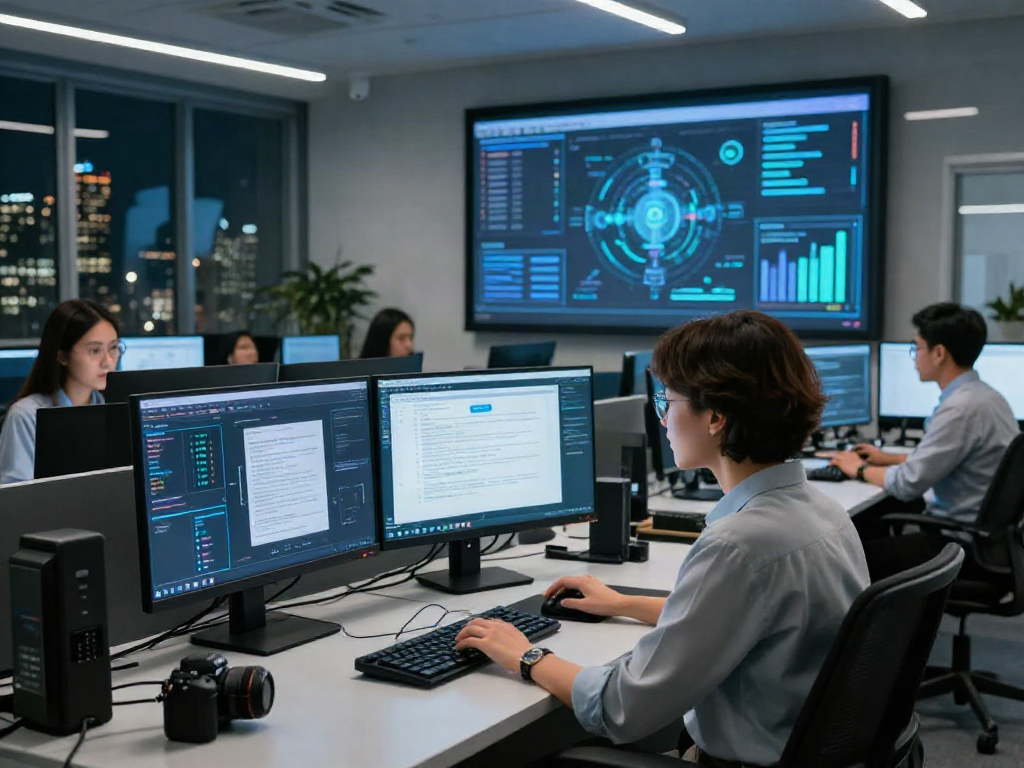

Understanding IT Support for Businesses
What is IT Support for Businesses?
IT support for businesses refers to a range of services designed to manage and maintain an organization's technology infrastructure. These services are crucial for ensuring that all IT systems operate smoothly, securely, and efficiently. Typically offered by specialized IT firms or internal teams, support mechanisms can include network management, software installation, cybersecurity measures, data backup solutions, and help desk assistance. By leveraging IT support, businesses can enhance productivity, mitigate risks, and focus more on their core objectives, leaving technical challenges to the experts.
The Importance of IT Support for Businesses
The role of IT support for businesses transcends merely fixing technical glitches; it ensures the overall health of the company's operations. With technology integrated into nearly every aspect of business, from communication to sales to data management, having a reliable IT support system is of paramount importance. Inadequate IT support can lead to significant downtime, resulting in lost revenue and tarnished reputations. Furthermore, with increasing cyber threats, a robust IT support system provides necessary protections, helping to safeguard sensitive data from breaches and attacks.
Common Types of IT Support Services
Businesses often require diverse IT support services, which can generally be categorized into the following domains:
- Help Desk Support: Provides employees with troubleshooting assistance, software guidance, and hardware repair.
- Network Management: Involves maintaining and protecting the company's network, ensuring connectivity and security.
- Cybersecurity: Implements measures to protect the organization from unauthorized access, attacks, and other security threats.
- Cloud Services: Offers solutions for data storage, computing, and applications hosted online, providing flexibility and cost-efficiency.
- Backup and Disaster Recovery: Ensures that critical data is backed up and can be restored quickly after an incident such as data loss or a catastrophe.
Key Challenges in IT Support for Businesses
Identifying Common IT Issues
Identifying common IT issues is fundamental for any organization. These challenges often manifest in various forms such as system outages, software crashes, or slow networks, which can significantly impact daily operations. Businesses need to have a standardized approach to log, analyze, and prioritize these issues, which often involves utilizing a ticketing system or help desk software to track the resolution process. Effective identification not only resolves the immediate problem but also sheds light on underlying causes, enabling proactive measures.
Dealing with Cybersecurity Threats
With the growing sophistication of cyber threats, businesses must prioritize cybersecurity within their IT support framework. Cyberattacks can come in many forms, including phishing schemes, ransomware, and data breaches. To combat these threats, organizations should implement a multi-layered security strategy that encompasses regular software updates, employee training on security protocols, and robust firewalls. Moreover, staying informed about the latest cybersecurity trends and threats is crucial for adapting the security measures proactively.
Managing Remote Support Effectively
As many businesses adopt remote working arrangements, managing IT support for remote employees has become increasingly complex. Effective remote support requires not only the right tools and technology—such as remote access software—but also clear communication protocols and a solid understanding of the unique challenges faced by remote workers. Establishing a dedicated support line for remote employees and offering regular training sessions to enhance IT literacy can lead to improved response times and satisfied employees.
Best Practices for IT Support for Businesses
Establishing Effective Communication Protocols
Clear communication is crucial in IT support, as it ensures that technical issues are understood and addressed swiftly. Businesses should establish formal communication channels for reporting IT issues, whether through internal chat systems, dedicated support emails, or help desk applications. Additionally, setting up regular feedback mechanisms can help improve communication flows and overall satisfaction with IT support services.
Implementing Regular System Maintenance
Regular system maintenance is essential to prevent issues from surfacing unexpectedly. This can include routine updates, hardware inspections, and patch management to ensure all systems remain operational and secure. Providing scheduled maintenance checks can reduce downtime significantly and maintain a high level of operational efficiency. Moreover, documenting maintenance activities can help track performance and support decision-making regarding future upgrades or resource allocation.
Investing in Employee Training and Awareness
Empowering employees through training programs increases their IT literacy and reduces reliance on support teams for minor issues. Organizations should offer regular training on new technologies, cybersecurity awareness, and best practices for using software applications. Additionally, fostering a culture of awareness regarding potential IT risks can protect the business’s assets and enhance its overall security posture. Providing resources, such as video tutorials and FAQs, can also support ongoing employee education.
Measuring the Success of Your IT Support
Performance Metrics for IT Support for Businesses
Measuring the success of IT support is critical for continuous improvement. Key performance indicators (KPIs) can help gauge how effectively the IT support team addresses issues. Metrics such as response time, resolution time, first contact resolution rate, and customer satisfaction score can provide actionable insights. Regularly reviewing these metrics can help identify areas for improvement and ensure that IT support is aligned with business goals.
Analyzing Help Desk Efficiency
The efficiency of a help desk determines how well IT support can serve the business. Evaluating help desk performance involves analyzing ticketing data, assessing response times, and monitoring the type of issues that arise frequently. This analysis can reveal trends and pinpoint areas where training or additional resources may be required. Furthermore, tools that facilitate automated reporting can transform data into accessible and actionable insights, significantly improving IT support responsiveness.
Gathering Client Feedback
Client feedback is an invaluable resource for assessing IT support. Collecting feedback through surveys, interviews, or follow-up calls can shed light on the satisfaction levels of the end-users receiving support. By analyzing this feedback, companies can implement changes that address user concerns and improve the overall experience with IT support services. Additionally, transparency in handling feedback demonstrates a commitment to continuous improvement and responsiveness to client needs.
Future Trends in IT Support for Businesses
Adapting to Cloud-Based Solutions
Cloud computing has become a cornerstone in modern IT support. As businesses continue migrating to cloud-based solutions, IT support strategies must adapt accordingly. This transition involves managing cloud environments, ensuring data security in the cloud, and understanding the implications of scalability. IT support teams must develop expertise in cloud services to provide effective support in these increasingly dynamic and complex environments.
Integrating AI into IT Support Services
Artificial Intelligence (AI) is set to revolutionize IT support by enabling more efficient service delivery through automation. AI-powered chatbots and virtual assistants can streamline ticketing processes, provide immediate responses to frequently asked questions, and analyze vast volumes of data for better decision-making. Investing in AI technologies can enhance service quality, reduce human error, and free up IT professionals to focus on strategic tasks rather than routine support inquiries.
Preparing for a Hybrid Work Environment
The shift towards hybrid work models necessitates that IT support systems evolve accordingly. Businesses must prepare to support employees both on-site and remotely, requiring an agile IT support approach. Strategies should include providing seamless access to resources, robust remote security measures, and training programs tailored for diverse work environments. Flexibility and adaptability will be key to ensuring that IT support remains responsive to the varied needs of a hybrid workforce.
FAQs
What are the main benefits of IT support for businesses?
IT support enhances productivity, minimizes downtime, secures data, and ensures technology operates efficiently, allowing businesses to focus on core activities.
How can my business identify the right IT support provider?
Evaluate providers based on expertise, range of services, customer reviews, response times, and support options offered to find the best fit for your needs.
What IT support services should small businesses consider?
Small businesses should focus on essential services like help desk support, cybersecurity, data backup, and network management tailored to their unique needs.
How often should a business back up its data?
Ideally, businesses should back up data daily, but at a minimum, weekly backups are essential to prevent data loss in case of incidents or system failures.
What are the indicators of effective IT support?
Indicators include quick response times, high first contact resolution rates, positive user feedback, and minimal recurring issues, suggesting efficient support services.
Contact Information
Call Us:0333 015 2615Email: [email protected]Address: Fareham Innovation Centre, PO13 9FU