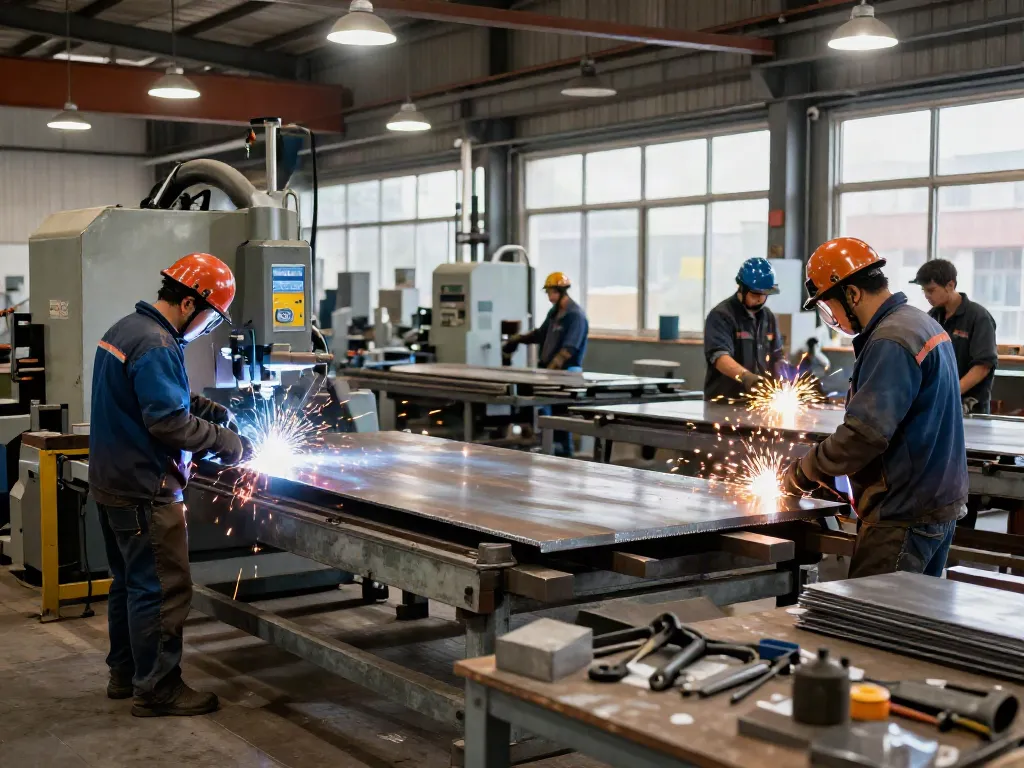
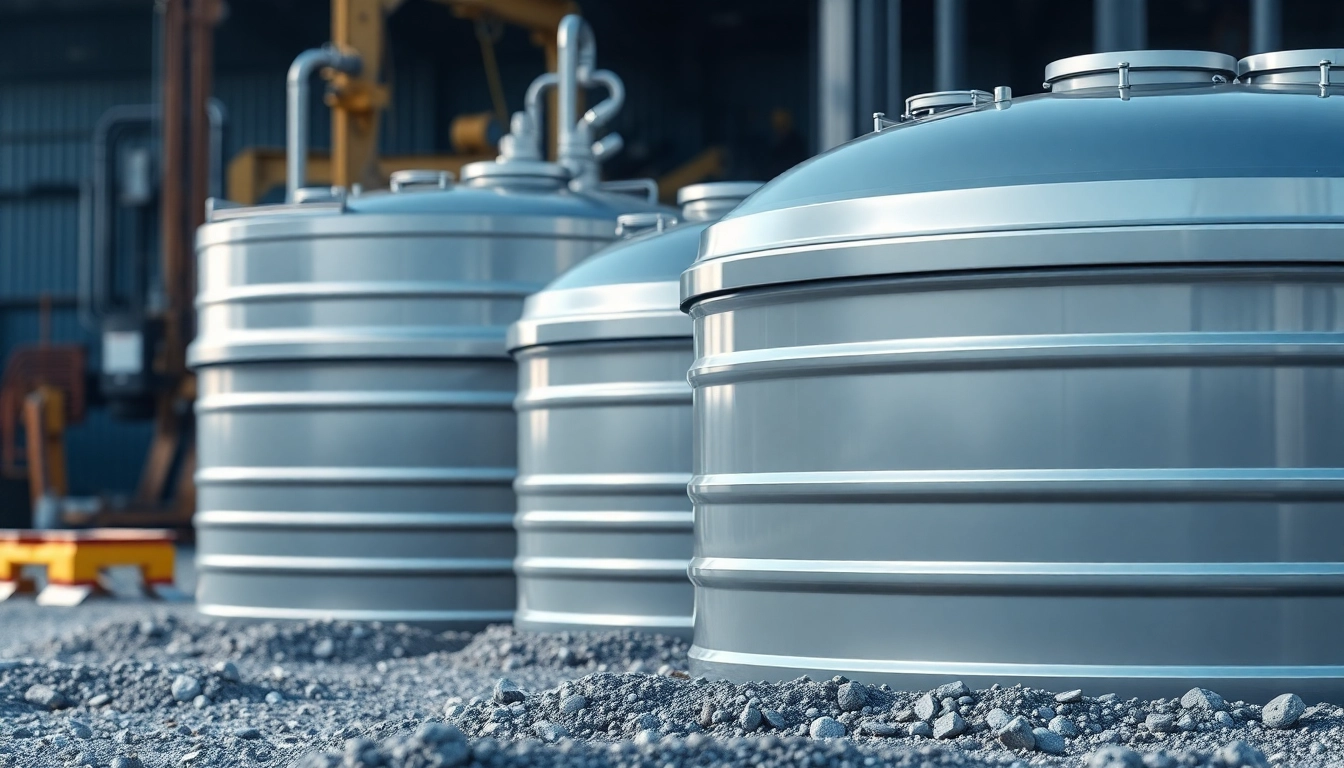
Above-Ground Storage Tanks (ASTs) serve a critical role across various industries, providing a reliable solution for storing liquids such as fuels, chemicals, and water. Understanding the intricacies of Above-Ground Storage Tank Design is essential for ensuring safety, compliance, and operational efficiency. This article delves into the definition, types, regulatory standards, key components, design processes, and maintenance practices associated with ASTs.
Understanding Above-Ground Storage Tank Design
Definition and Purpose
Above-Ground Storage Tanks are structures specifically designed for storing liquids above the ground. Their primary purpose is to facilitate safe storage, distribution, and handling of various liquids in different environments. Unlike underground tanks, ASTs provide superior visibility and easier access for inspection, maintenance, and emergency response, making them ideal for industrial, commercial, and even residential applications.
Importance in Various Industries
ASTs are utilized in multiple sectors, including petroleum, chemical manufacturing, agricultural, and waste management. In the petroleum industry, for example, these tanks are essential for storing crude oil, gasoline, and other refined products. In agriculture, they play a crucial role in storing fertilizers, pesticides, and water for irrigation. Their versatility allows for safe handling of hazardous materials, promoting environmental protection and compliance with regulations.
Types of Above-Ground Storage Tanks
Several types of ASTs are available, each designed for specific applications. The main types include:
- Vertical Tanks: These are cylindrical tanks typically used for storing larger volumes of liquid. They are common in the petroleum industry and often designed to withstand high pressure.
- Horizontal Tanks: Lower-profile tanks ideal for applications where height restrictions exist. Often used for diesel and gas storage.
- Specialized Tanks: Designed for specific liquids, including crude oil, chemicals, and food products. These may feature advanced materials to prevent chemical interactions.
Regulatory Standards and Compliance
EPA Guidelines for Tank Design
The Environmental Protection Agency (EPA) has established regulations governing ASTs to enhance safety and minimize environmental hazards. Key guidelines include:
- Tank construction must utilize materials resistant to corrosion and compatible with the substances stored.
- Facilities with ASTs must implement Spill Prevention, Control, and Countermeasure (SPCC) plans to mitigate risks associated with spills or leaks.
- Regular inspections and maintenance activities must be documented and comply with federal and state regulations.
State-Specific Regulations
In addition to federal guidelines, regulations may vary significantly at the state level. States may impose stricter requirements concerning tank design, installation, and operational oversight. Understanding these specifics is crucial for ensuring compliance and preventing costly penalties or shutdowns.
Safety Compliance and Best Practices
Safety is paramount in AST design and operation. Best practices include:
- Implementing secondary containment systems to capture potential spills.
- Routine training for personnel on emergency procedures and spill response.
- Utilizing advanced monitoring systems to detect leaks and irregularities in tank function.
Key Components of Above-Ground Storage Tank Design
Material Selection and Durability
The choice of materials for tank construction significantly impacts durability and safety. Common materials include:
- Steel: Strong and durable, steel tanks are preferred for their ability to withstand environmental factors. However, they require protective coatings to prevent corrosion.
- Fiberglass: Highly resistant to chemical damage, making them suitable for storing corrosive substances. They are lightweight and require minimal maintenance.
- Polyethylene: Ideal for specific applications such as water and certain chemicals, thanks to their resistance to environmental stress.
Tank Sizes and Configurations
ASTs come in various sizes, ranging from small tanks of a few hundred gallons to large installations exceeding 100,000 gallons. Factors influencing the size and configuration include:
- Intended use and required storage capacity
- Site limitations and available space
- Regulatory requirements governing minimum clearances and distances from property lines and sensitive environments
Secondary Containment Systems
Secondary containment systems are critical for preventing environmental contamination in the event of a spill. These systems include:
- Containment Berms: Earthen or fabricated barriers around the tank to catch potential spills.
- Double-Walled Tanks: Tanks designed with an inner and outer wall, with space in between for liquid capture.
- Spill Pallets: Used for smaller tanks and equipment, these pallets capture leaks or spills during transfer operations.
Design Process and Implementation
Planning Phase: Site and Tank Selection
The design process begins with careful planning and selection of the site for installation. Factors to consider include:
- Proximity to sensitive areas (water bodies, residential zones)
- Soil stability and geography that can support the tank's weight
- Local zoning laws and building codes that may impact tank location and size
Design Blueprint Development
Creating a detailed design blueprint involves collaboration among engineers, safety experts, and regulatory authorities. Key elements in this phase consist of:
- Dimensional specifications for tank size and shape
- Incorporating compliance with relevant codes and standards
- Drafting detailed installation plans that outline every step and required resources
Installation and Commissioning Procedures
After design approval, the installation process begins with strict adherence to safety practices. Important steps include:
- Site preparation, ensuring adequate drainage and support
- Proper handling of materials to maintain structural integrity
- Installation of monitoring and safety systems to detect leaks and potential failures
Maintenance and Operational Insights
Regular Inspection and Maintenance Practices
To maintain optimal performance and safety, ASTs require regular inspections and maintenance. Key practices include:
- Inspecting external and internal tank conditions for signs of corrosion or wear
- Monitoring for leaks using both visual inspections and technology
- Ensuring compliance with regulatory inspection schedules and documentation.
Common Issues and Troubleshooting
Common issues faced during AST operation may include:
- Corrosion: Addressed by regular inspections and timely maintenance.
- Leaks: Can result from material fatigue, requiring immediate intervention and repairs.
- Structural Integrity Failures: Often linked to poor installation practices or non-compliance with regulatory standards. Regular audits can help identify issues before they escalate.
Long-Term Performance Tracking Metrics
Tracking the performance of an AST over time is essential for optimizing operations and enhancing safety. Metrics to consider include:
- Leak detection data, emphasizing issue frequency and areas of concern
- Maintenance records detailing actions taken and resources used
- Performance analytics, assessing fuel loss rates and comparing with industry averages to identify potential improvements.
FAQs
1. What is the lifespan of an above-ground storage tank?
The lifespan of an above-ground storage tank varies by material: steel tanks may last 20-30 years with proper maintenance, while fiberglass can exceed 40 years.
2. Are above-ground storage tanks regulated?
Yes, facilities with ASTs must adhere to EPA regulations, including those related to spill prevention and environmental safety.
3. How often should above-ground storage tanks be inspected?
Inspections should be performed regularly, typically at least once a year, or more often depending on the material stored and local regulations.
4. What are secondary containment requirements?
Secondary containment often involves berms, secondary walls, or using double-walled tanks to capture spills and prevent pollution.
5. What maintenance is required for above-ground storage tanks?
Regular inspections, corrosion monitoring, and prompt repair of any leaks or damages are necessary to maintain tank integrity and compliance.