Understanding the Manlift: Types and Uses
What is a Manlift?
A manlift is a type of elevated platform used to lift personnel and their tools to perform tasks at various heights. Commonly used in industrial, construction, and maintenance settings, manlifts provide a safe alternative to ladders and scaffolding, facilitating work in hard-to-reach places. These machines have an enclosed platform, which raises and lowers workers while ensuring a secure working environment. Among the various lifting machines available, the manlift stands out for its versatility and capability of reaching significant heights.
Different Types of Manlifts Explained
Manlifts come in a variety of designs, each suited for specific applications and environments. Understanding the different types can help businesses select the right equipment for their needs:
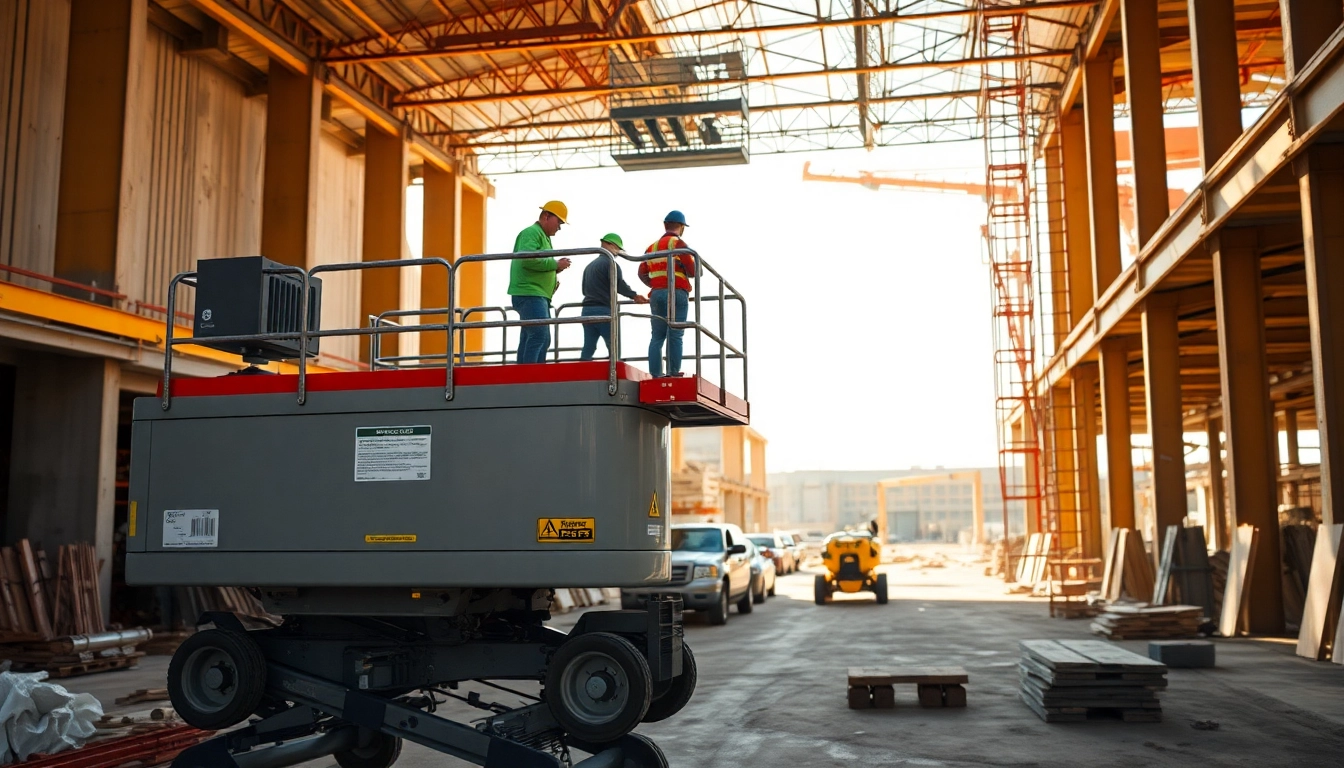
- Scissor Lifts: These are characterized by their crisscrossing mechanism that raises the platform vertically. They are particularly effective for tasks requiring a stable platform at moderate heights.
- Articulating Boom Lifts: These manlifts are designed with jointed arms, allowing them to extend over obstacles and reach heights in tight spaces. They are highly maneuverable and ideal for outdoor construction work.
- Telescoping Boom Lifts: Featuring an extendable arm, these lifts provide significant height and outreach. They are commonly used for tasks that require elevation over obstacles.
- Personnel Lifts: Compact and self-propelled, personnel lifts are intended for single worker use in tight indoor spaces, such as warehouses and retail environments.
Primary Applications in Various Industries
The utility of manlifts spans across multiple industries. Here are some primary sectors where they are employed:
- Construction: Manlifts provide accessibility for workers and materials at various heights, facilitating tasks such as roof work, painting, and electrical installation.
- Aerospace: Technicians utilize manlifts for assembly and maintenance of aircraft, as well as for inspections and repairs.
- Event Management: For setting up stages, lighting, and sound equipment at tall venues, manlifts are invaluable.
- Warehousing: Manlifts are often used in large warehouses to reach high shelving systems safely, enhancing stock management.
Key Features to Consider When Selecting a Manlift
Height and Weight Capacity Requirements
When selecting a manlift, assessing height and weight capacity is paramount. Most manlifts can safely reach heights ranging from 20 feet to over 180 feet. Additionally, the weight capacity varies, typically accommodating between 300 to 1,000 pounds, depending on the design. Understanding the specific needs for upward reach coupled with the personnel and equipment weight limits will direct the right choice.
Maneuverability and Stability Factors
Maneuverability is crucial in environments with tight spaces or obstacles. Articulating and compact scissor lifts tend to provide superior maneuverability compared to traditional telescoping lifts. Stability is equally important; features such as stabilizers and outriggers contribute to safety, especially when working at high elevations.
Power Sources: Electric vs. Hydraulic Manlifts
Power source plays a critical role in the type of manlift suitable for a task. Electric manlifts are quieter and ideal for indoor use, while hydraulic models are preferred for outdoor applications due to their robust performance in tough conditions. Assessing where and how the lift will be used will inform the decision on which power source to adopt.
Safety Protocols for Using a Manlift
Essential Safety Gear and Equipment
Using a manlift safely involves adhering to specific safety gear requirements. Operators and personnel working on the lift must wear hard hats, harnesses, and safety goggles. Additional protective equipment like non-slip footwear can also enhance safety on construction sites.
Training and Certification for Operators
Proper training is essential for manlift operators to prevent accidents and injuries. Operators should undergo extensive training, including certifications that cover operational skills, safety procedures, and emergency protocols. Regular refreshers can keep operators informed of any changes in regulations or technology.
Best Practices for Safe Operation
Following established best practices while operating a manlift can significantly reduce the risks associated with elevated work. Key practices include:
- Conducting thorough pre-operation inspections of the lift.
- Ensuring that the work area is clear of hazards.
- Constantly maintaining communication with team members on the ground.
- Never exceeding the load capacity specified by the manufacturer.
Renting vs. Purchasing a Manlift: Pros and Cons
Cost Analysis: Renting Costs vs. Purchase Costs
When considering a manlift, the decision to rent versus purchase can profoundly affect budget. Renting might be cost-effective for short-term projects, offering flexibility and lower upfront costs. Conversely, purchasing a manlift involves substantial initial investment but can lead to savings in the long term, particularly for companies with ongoing needs.
Maintenance Considerations for Ownership
Ownership of a manlift brings the responsibility of regular maintenance. This includes scheduled inspections, servicing, and addressing wear and tear. Companies must weigh the cost of maintaining purchased equipment against the convenience of renting for sporadic projects.
Evaluating Frequency of Use for Decision Making
Frequency of use is a pivotal factor in the decision-making process. For companies with steady, consistent needs for height access, purchasing makes more sense economically. In contrast, businesses with intermittent use can benefit from the flexibility and lower capital expenditure of renting.
Regular Maintenance and Inspection of Manlifts
Daily Checks and Best Practices
Daily maintenance checks should include inspecting hydraulic systems, battery levels, and safety features. These checks ensure the manlift remains in safe operating condition. Implementing a checklist system can help in maintaining consistent and thorough inspections.
Periodic Maintenance Schedule
A detailed periodic maintenance schedule is crucial for advanced upkeep. This schedule should include routine inspections, servicing components, and reviewing operational software. Regularly scheduled maintenance can prolong the lifespan of the manlift and ensure compliance with safety standards.
Common Repairs and Troubleshooting Tips
Common issues with manlifts may include hydraulic leaks, battery failures, or control malfunctions. Operators should be trained in basic troubleshooting techniques, such as checking fuses, ensuring proper oil levels, and monitoring electrical connections. Having a reliable service provider for more complex repairs can also help maintain productivity.
Frequently Asked Questions
What is another name for a manlift?
Manlifts, also known as aerial lifts, facilitate high-reaching tasks safely and securely, equipped with an enclosed platform for worker safety.
What sectors commonly use manlifts?
Construction, warehousing, maintenance, and industrial sectors utilize manlifts for their efficiency and to safely access elevated work areas.
How high can a standard manlift reach?
Standard manlifts can reach heights from approximately 20 feet to over 180 feet, making them suitable for various tasks requiring elevation.
What safety certifications should manlift operators obtain?
Operators should obtain OSHA certification and participate in training programs that teach safe operation methods for manlifts in different environments.
Is it better to rent or buy a manlift?
The choice between renting and buying a manlift depends on usage frequency and budget considerations, each option offering its own advantages for different operations.