
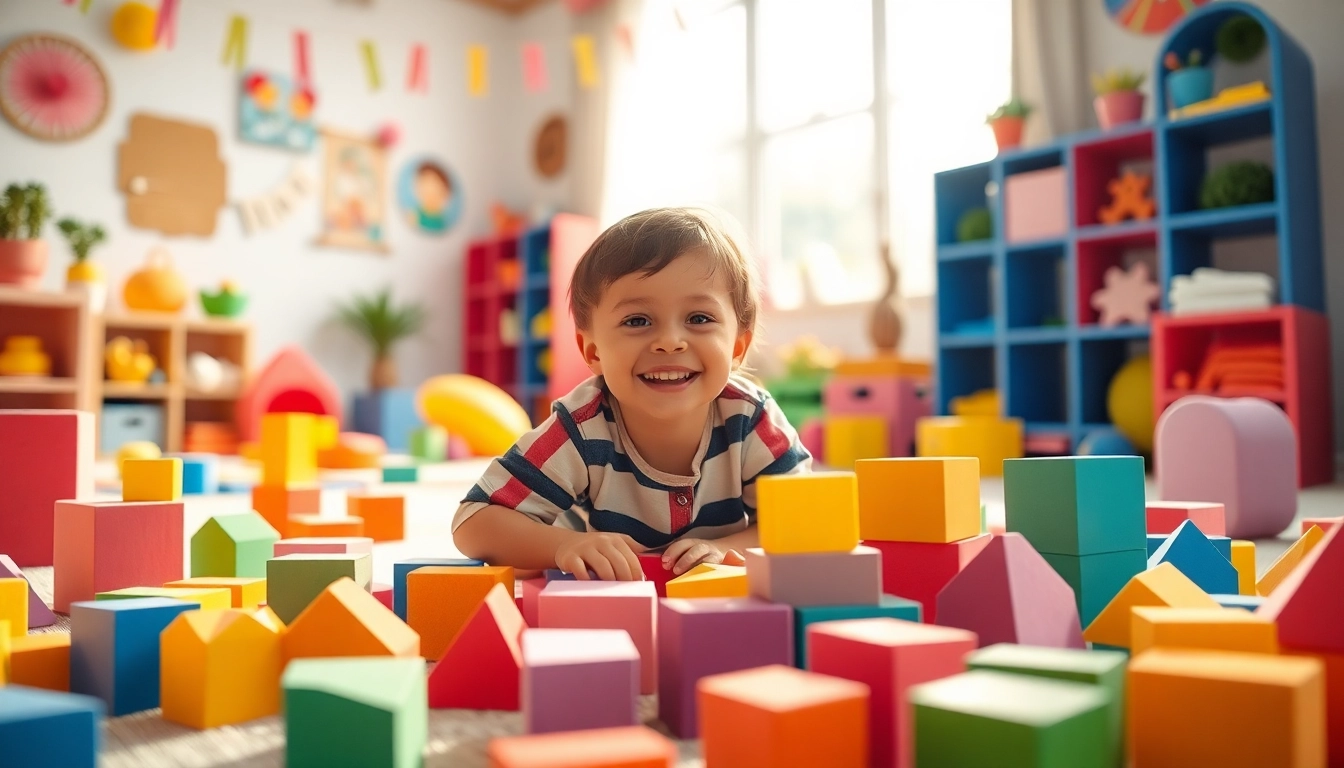
Introduction to Soft Foam Building Blocks
Soft foam building blocks are a delightful addition to any child's playtime, offering an excellent blend of creativity, education, and safety. These lightweight, versatile cubes and shapes stimulate imaginations and foster essential developmental skills. As parents and caregivers explore play options for their little ones, it's vital to understand the full benefits and how to incorporate play effectively. For a comprehensive overview of options and inspirations, read more here. This guide will delve into the intricacies of soft foam building blocks, their impacts on child development, and provide imaginative play ideas that ensure children learn while having fun.
What Are Soft Foam Building Blocks?
Soft foam building blocks are constructed from lightweight, flexible foam that is easy for children to handle. Unlike traditional hard blocks, soft foam versions are designed to prevent injuries, making them ideal for toddlers and young children. These blocks often come in various sizes, shapes, and colors, adding a visual and tactile dimension to play. The softness of these materials allows children to engage in building activities without the risk of hurting themselves or others, whether they are stacking, knocking down, or creating elaborate structures.
Benefits for Child Development
Engaging with soft foam building blocks provides numerous benefits for child development:
- Cognitive Skills: Building with blocks enhances problem-solving abilities as children learn to balance and create stable structures.
- Motor Skills: Manipulating blocks develops fine motor skills and hand-eye coordination. Children learn to grasp, lift, and assemble parts efficiently.
- Creativity: The open-ended nature of block play encourages imaginative thinking. Children can create whatever they envision, from simple towers to complex castles.
- Social Skills: Building in groups fosters teamwork and communication, aiding social development as kids negotiate plans and share their ideas.
- Emotional Skills: Creating and achieving building goals instills a sense of accomplishment, boosting self-esteem and confidence.
Choosing the Right Blocks for Your Child
Selecting the right soft foam building blocks for your child is crucial to ensuring safe and beneficial play. Consider the following factors:
- Age Appropriateness: Look for blocks designed for your child's age group, as smaller children require larger and lighter blocks to avoid choking hazards.
- Material Quality: Choose blocks made from non-toxic, phthalate-free foam to ensure safety and durability.
- Variety of Shapes: A diverse range of shapes can enhance creativity and stimulate various building techniques.
- Color and Texture: Bright colors and different textures can make playtime more engaging and visually appealing.
Engaging Play Ideas for Children
Simple Structures to Build
Simple structures not only provide a great starting point for children new to building but also allow for incremental challenges as they gain confidence. Here are a few ideas:
- Towers: Start with basic towers. Challenge children to create the tallest tower possible without it toppling over.
- Bridges: Introduce a bridge-building activity that encourages children to balance blocks in a way that spans across a gap.
- Houses: Older children may enjoy designing their miniature houses. They can create rooms and furniture using smaller blocks.
Group Activities and Games
Building with soft foam blocks can be a social activity that fosters collaboration. Here are some engaging group activities:
- Block Relay: Divide children into teams and have them race to create a specific structure using blocks.
- Building Challenges: Pose specific challenges, such as “make a tower that can hold three blocks on top” to promote critical thinking and teamwork.
- Storytelling Structures: As children build, have them create stories around their structures, encouraging creative writing and presenting skills.
Themed Play Scenarios
Themed scenarios enhance playtime richness and spark creativity. Here are some ideas to consider:
- Space Adventure: Children can build rockets or alien spacecraft and embark on imaginary journeys beyond Earth.
- Underwater Exploration: Create underwater cities or fun habitats that allow children to learn about marine life.
- Castle Kingdoms: Encourage kids to create castles and enact their favorite fairytales or make up their own stories about royalty.
Safety Considerations When Playing
Materials and Standards
Ensuring the safety of soft foam building blocks begins with proper material selection. Most reputable manufacturers adhere to stringent safety standards to protect children during play. Parents should look for:
- Non-Toxic Foam: Verify that the blocks are free from harmful chemicals, including formaldehyde and heavy metals.
- Safety Certifications: Check for certifications from recognized safety organizations which ensure rigorous testing.
Age-Appropriate Recommendations
Soft foam blocks come in various sizes and shapes for different age groups. For toddlers, larger blocks minimize choking hazards, while older children can handle more complex shapes and smaller dimensions. Always supervise younger children to ensure they are using the blocks safely.
Supervision Tips for Parents
Active supervision is key to ensuring safe playtime with foam blocks. Here are some tips for parents:
- Set Play Zones: Designate specific play areas to make sure children have ample room and avoid any hazards.
- Encourage Safe Practices: Teach children to play gently and avoid throwing blocks at one another.
- Monitor Group Dynamics: Keep an eye on interactions among children to promote cooperative play and prevent conflicts.
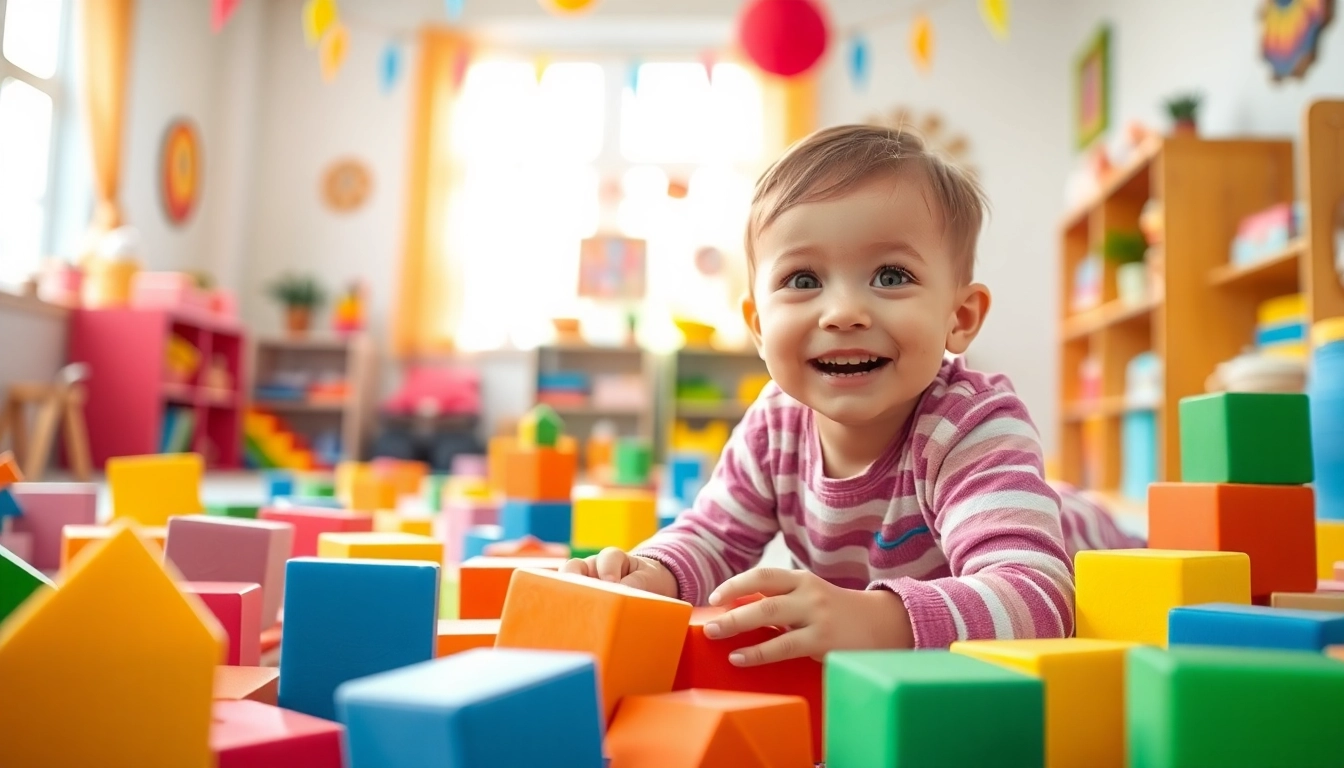
Maintenance and Care for Soft Foam Blocks
Cleaning and Sanitizing Techniques
Regular maintenance of soft foam building blocks is essential for hygiene and longevity. Here are some effective cleaning techniques:
- Soap and Water: Use a mild detergent mixed with water to gently scrub the blocks. Avoid harsh chemicals that can damage the material.
- Disinfecting Wipes: For quick sanitization, consider using child-safe disinfecting wipes.
- Allow to Air Dry: Ensure blocks are fully dry before storing them to prevent mildew.
Storage Solutions for Play Areas
Proper storage of soft foam blocks prolongs their life and maintains a tidy play area. Here are several storage solutions:
- Bins or Baskets: Use clear storage bins or colorful baskets to create an organized play zone.
- Wall Shelves: For easy access, mount wall shelves that can hold blocks at a height suited for children.
- Play Mats: Store blocks on soft play mats to provide a dedicated building area that can be relocated.
Troubleshooting Damage and Wear
Despite their durability, foam blocks can experience wear and tear. If damage occurs, consider the following troubleshooting tips:
- Inspect Regularly: Check for tears, dents, or broken pieces. Discard any that pose safety risks.
- Repair Techniques: Some minor tears can be repaired using fabric glue or duct tape specifically designed for foam.
- Replacement Options: If specific pieces are consistently damaged, consider purchasing replacement blocks from the same manufacturer.
Frequently Asked Questions
How are soft foam building blocks made?
Soft foam building blocks are made using expanded foam technology, molded into various shapes and sizes without toxic substances, ensuring safety for children during play.
At what age can children start playing with these blocks?
Children can start playing with soft foam building blocks as early as 6 months, provided they are closely supervised and the blocks are appropriate for their age group.
Can soft foam blocks be used outdoors?
While soft foam blocks can be used outdoors, it's essential to monitor weather conditions and store them indoors afterward to prevent wear and damage.
Are there any recommended games to play with these blocks?
Yes, games such as building challenges, block relays, or theme-based storytelling enhance creativity and teamwork among children while playing with soft foam blocks.
How do I clean soft foam building blocks?
To clean soft foam blocks, use mild soap and water for thorough scrubbing, or wipe them down with child-safe disinfectant wipes, ensuring they air dry afterward.