
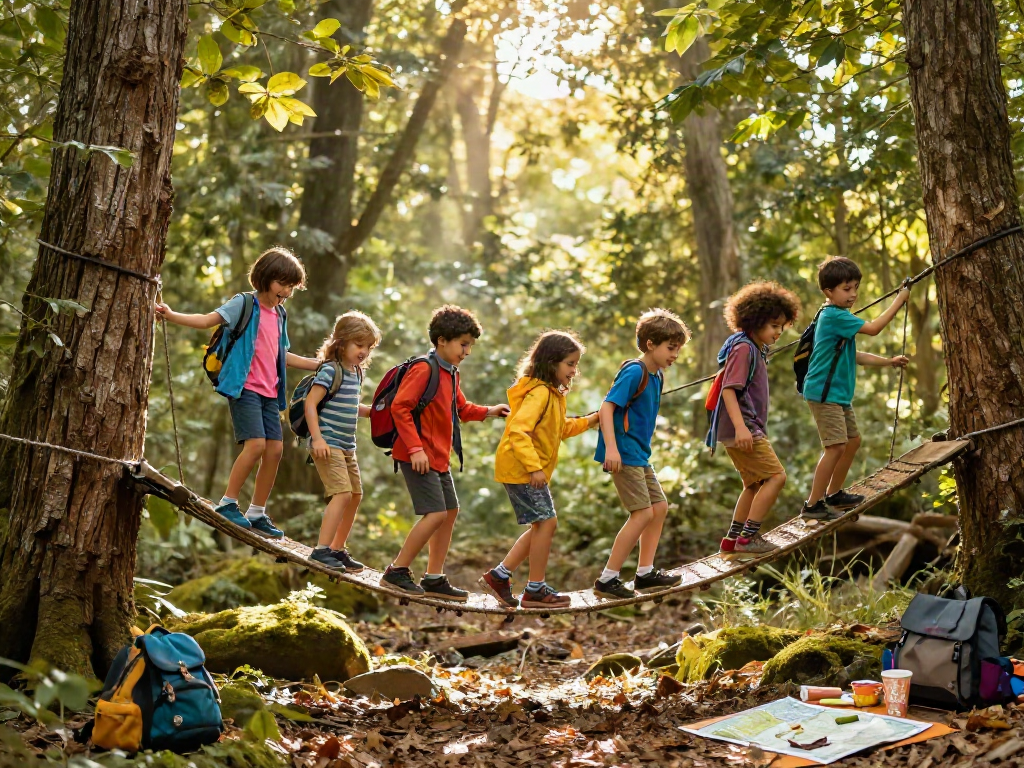
The Evolution of Rope Bridges: Safety and Design Improvements
Rope bridges have been a staple of adventure and engineering for centuries, capturing imaginations with their blend of functionality and aesthetic charm. Traditionally used in remote areas to navigate challenging terrains or spanning rivers, these suspended walkways have evolved significantly over time. In recent years, innovations in safety standards and materials have made them more accessible for recreational use, particularly in children's playgrounds and community parks. When exploring options, Rope Bridge designs have never been more versatile or exciting.
Historical Context of Rope Bridges
Rope bridges can trace their origins back to ancient cultures, where they were constructed by indigenous peoples using natural materials available to them. The earliest examples were simple spans made of vines or animal hides, primarily utilised for crossing rivers or chasms. Over the centuries, as construction techniques developed, so did the complexity and safety of these structures. The Incan Empire, for example, is famed for its Inca rope bridges, which were essential for connecting their vast empire across the Andes mountains.
Modern Safety Standards and Material Innovations
Today, rope bridges are subject to stringent safety regulations, especially when constructed for children’s use. Materials have evolved from natural fibers to synthetic alternatives such as polyester and nylon, which offer enhanced durability and resistance to environmental factors. The integration of safety features like sturdy handrails, non-slip surfaces, and reliable anchoring systems has made modern rope bridges not only safe but also more appealing to families and park designers.
Design Trends for Kid-Friendly Rope Bridges
Current trends in rope bridge design place a strong emphasis on creating engaging play environments for children. Brightly coloured ropes and creative shapes not only add visual appeal but encourage imaginative play. Additionally, modular designs allow for easy installation and modification, making them perfect additions to existing playgrounds or treehouse setups. Many manufacturers are now offering customizable kits that cater to various age groups and skill levels, ensuring that children of all abilities can enjoy these adventurous structures.
Benefits of Rope Bridges for Child Development
The benefits of incorporating rope bridges into play areas extend far beyond mere entertainment. These structures can significantly enhance children's physical, social, and cognitive development, making them valuable assets in educational and recreational settings.
Physical Skills and Coordination Enhancement
Utilising a rope bridge challenges a child's balance, coordination, and overall physical fitness. As they navigate the wobbly surface, children engage stabilising muscles, improving their core strength and motor skills. Research indicates that activities involving physical risk, such as traversing a rope bridge, help in developing spatial awareness and confidence in movement, fundamental skills for lifelong physical activity.
Improving Teamwork and Social Skills
Rope bridges often require collaboration and communication, particularly in groups. Children learn to work together when crossing, as they need to move in unison to maintain balance and safety. This social interaction fosters teamwork and problem-solving skills, crucial elements for developing interpersonal relationships. Furthermore, overcoming challenges on the bridge builds resilience and confidence.
Encouraging Outdoor Play and Adventure
In a world where digital entertainment often takes precedence, rope bridges provide a fantastic opportunity for outdoor play. They inspire exploration and adventure, encouraging children to step outside their comfort zones and engage with nature. The physical activity associated with using a rope bridge contributes to healthier lifestyles, combating the sedentary habits prevalent in modern society.
Creating Your Own Rope Bridge: A Step-by-Step Guide
Building a rope bridge can be an exciting DIY project, perfect for both creative expression and practical learning. This guide will walk you through the essentials needed to design a safe and sturdy rope bridge suitable for children.
Materials Needed for DIY Rope Bridges
- High-quality rope (preferably polyester for durability)
- Sturdy wooden planks for the bridge deck
- Anchoring hardware (e.g., bolts, anchors)
- Safety handrails or netting
- Measuring tape and tools (saw, drill, etc.)
Designing Your Rope Bridge: Essential Considerations
When setting out to design your rope bridge, consider the following factors:
- Location: Identify a safe, level area with strong trees or posts to anchor the bridge securely.
- Dimensions: Determine the length and width based on available space and intended use.
- Weight Capacity: Ensure that the bridge can support the weight of users, considering safety margins.
Installation Tips for Safety and Durability
Installation should be carried out with safety as the foremost priority. Here are key tips to ensure durability:
- Use double knots to secure the rope to anchor points.
- Regularly inspect the bridge for wear and tear, especially after adverse weather conditions.
- Establish clear safety guidelines for use, including age limits and supervised play.
Case Studies: Successful Rope Bridge Projects
Several communities and institutions have successfully incorporated rope bridges into their environments, demonstrating the benefits of these structures in real-life applications.
Community Parks and Their Impact
Many community parks have introduced rope bridges to enhance children's playgrounds, creating exciting new spaces for play. This not only boosts physical activity levels among youth but also fosters community engagement.
Schools Incorporating Rope Bridges into Play Areas
Schools are increasingly recognising the value of active play. Innovative designs, such as rope bridges integrated into outdoor classrooms, promote physical health while enhancing learning through experiential education.
Innovative Designs Around the World
Globally, architects are experimenting with rope bridges that blend art, technology, and nature. From urban parks in major cities to nature reserves, unique designs are being developed to inspire awe while prioritising safety and functionality.
Future Trends in Rope Bridge Construction and Use
The future of rope bridges looks promising, with several emerging trends likely to shape their use and design in the coming years.
Emerging Materials and Sustainable Practices
Innovations in materials science will lead to the creation of even stronger and more sustainable options for rope bridges. Bio-based and recycled materials may become prevalent, appealing to environmentally conscious builders.
Integrating Technology for Enhanced Safety
Smart technology could play a role in the future of rope bridges. Sensors that monitor structural integrity, as well as smart systems that ensure safe usage, may become commonplace in new installations.
Predictions for 2026 and Beyond in Outdoor Play
By 2026, we can expect a greater emphasis on multifunctional outdoor play equipment, where rope bridges not only serve as play structures but also as integral components of educational programs focused on nature and physical activity.
What is a rope bridge?
A rope bridge is a lightweight, flexible structure typically made from ropes, allowing for the crossing of gaps such as rivers or ravines. They are often used in outdoor play areas, offering both functionality and adventure.
How do you make a rope bridge?
Creating a rope bridge involves selecting appropriate materials, determining a suitable design based on the environment, and ensuring a secure installation that prioritises safety and durability.
What type of rope is best for a rope bridge?
Polyester rope is often regarded as an excellent choice for rope bridges due to its high strength, durability, and moisture resistance, making it ideal for outdoor conditions.
Are rope bridges safe for children?
When designed and installed according to safety regulations, rope bridges can be safe for children. Regular maintenance, proper supervision, and age-appropriate designs further enhance safety.
Where are rope bridges commonly found?
Rope bridges are commonly found in outdoor adventure parks, nature reserves, and children's playgrounds, where they provide exciting opportunities for play and exploration.