Understanding Above-Ground Storage Tank Design
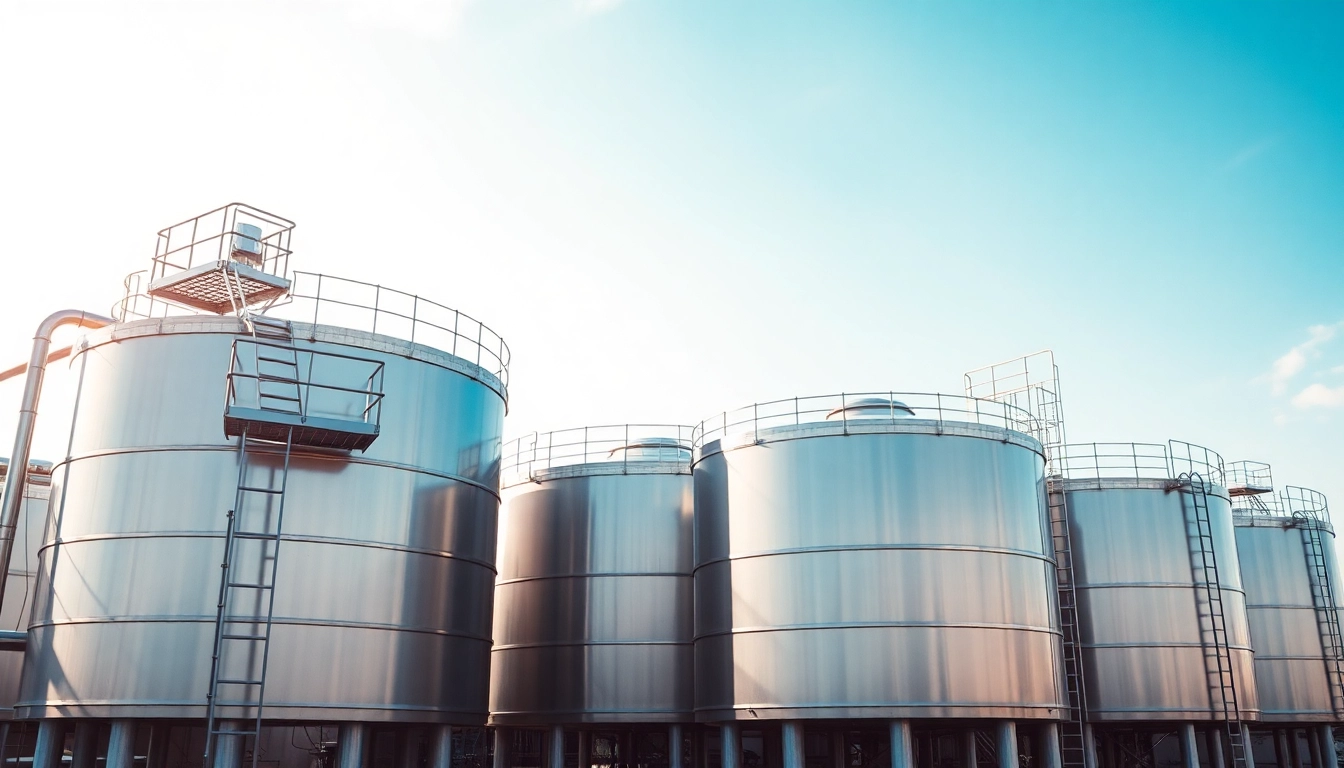
Above-ground storage tanks (ASTs) are pivotal in various industries, particularly in the storage of liquids. Proper design of these tanks is crucial for safety, efficiency, and regulatory compliance. This article delves into Above-Ground Storage Tank Design, exploring its essential components, regulations, and best practices.
Definition of Above-Ground Storage Tank Design
The design of above-ground storage tanks involves creating a structure that safely and efficiently holds liquids such as fuels, chemicals, or water. These tanks must meet specific industry standards and regulations to ensure safe storage and prevent environmental contamination. The design encompasses various elements such as materials, size, location, and safety features, each tailored to suit the intended use of the tank.
Importance of Effective Design
An effective design is vital for multiple reasons. Primarily, it ensures safety by preventing leaks, spills, and potential fires. Moreover, a well-designed tank can enhance operational efficiency by optimizing storage capacity and ease of access. Additionally, compliance with regulatory standards hinges on a robust design that considers environmental protection and safety protocols.
Components of Above-Ground Storage Tank Design
The main components of above-ground storage tank design include:
- Tank Structure: Typically constructed from materials like steel or fiberglass, the structure must be durable and suitable for the stored liquid.
- Anchoring Systems: These are crucial for stability, particularly in areas prone to harsh weather or seismic activity.
- Containment Systems: Secondary containment systems prevent leaks from reaching the environment, often implemented as walls or dikes.
- Piping and Valves: Equipment for filling, emptying, and venting are designed to minimize spillage and maximize safety.
- Monitoring Systems: Advanced technologies for gauging liquid levels and detecting leaks are becoming increasingly common.
Regulations and Standards Affecting Above-Ground Storage Tank Design
When designing above-ground storage tanks, adherence to regulations and standards is paramount. These govern the construction and operation of ASTs, promoting safety and environmental integrity.
Compliance with Environmental Regulations
Many regulations dictate how ASTs must be designed and maintained, primarily to prevent environmental contamination from leaks and spills. For instance, the U.S. Environmental Protection Agency (EPA) mandates strict guidelines for ASTs storing petroleum products under the Spill Prevention, Control, and Countermeasure (SPCC) rule. Facilities must prepare plans detailing containment measures and emergency response systems.
Industry Standards and Guidelines
Standards such as API 650 provide essential guidelines for the design, fabrication, and testing of above-ground storage tanks. Familiarity with these guidelines is crucial for engineers and designers to ensure that the tanks meet industry benchmarks and ensure operational safety.
Safety Protocols in Design
Incorporating safety into the design of above-ground storage tanks involves multiple protocols, including fire protection measures, leak detection systems, and regular inspection schedules. These protocols not only provide a framework for safe operation but also foster a culture of safety within organizations handling volatile materials.
Key Considerations in Above-Ground Storage Tank Design
The design of above-ground storage tanks must account for various critical factors to ensure they operate effectively and safely over their lifespan.
Material Selection for Durability
Selecting the right materials is fundamental to the longevity and safety of above-ground storage tanks. Common materials include:
- Carbon Steel: Widely used due to its strength and cost-effectiveness, especially for petroleum products.
- Stainless Steel: Ideal for corrosive materials due to its resistance to rust and wear.
- Composite Materials: Increasingly used for specific applications where traditional materials may not be sufficient.
Design Features for Safety
Safety features play a critical role in tank design. These may include:
- Explosion Vents: To relieve pressure buildup in case of rapid expansion of vapors.
- Overfill Prevention Systems: Mechanisms that prevent tanks from exceeding their capacity.
- Leak Detection Systems: Technologies that alert operators to leaks immediately, minimizing damage and risk.
Space and Site Considerations
While designing above-ground storage tanks, space and site conditions significantly influence the final design. Factors such as site accessibility, surrounding infrastructure, and local environmental conditions must be considered. Additionally, the orientation and position of the tank can affect maintenance operations and safety during emergencies.
Case Studies: Successful Above-Ground Storage Tank Design Examples
Examining real-world examples provides valuable insights into effective above-ground storage tank design.
Innovative Design Solutions
One notable project involved the implementation of a modular tank design allowing for easy expansion and flexibility in capacity. This design enabled rapid adaptation to fluctuating demand while maintaining safety standards and reducing costs.
Efficiency in Operations
A study of a regional fuel distribution center revealed that the integration of automated monitoring systems significantly reduced manual oversight, enhancing operational efficiency and ensuring timely maintenance interventions.
Lessons Learned from Real Projects
Projects that prioritized environmental considerations consistently demonstrated fewer regulatory violations and incidents, highlighting the necessity of incorporating ecological concerns into design practices.
Future Trends in Above-Ground Storage Tank Design
The future of above-ground storage tank design is poised for evolution, focusing on sustainability and innovation.
Sustainable and Eco-Friendly Approaches
As industries increasingly prioritize environmental stewardship, future AST designs will likely incorporate eco-friendly materials and containment practices. Features such as rainwater harvesting systems and solar energy utilization could gain traction, aligning storage practices with sustainability goals.
Technological Innovations in Design
Advanced technologies such as AI and IoT are transforming AST design and management. These technologies enable predictive maintenance by analyzing tank performance data in real-time, ensuring optimal operation and reducing downtime.
Adapting to Industry Changes
As industries evolve, AST designs must remain flexible to adapt to changing standards, market dynamics, and environmental practices. By proactively addressing potential challenges through innovative design, companies can ensure compliance and operational effectiveness.
FAQs about Above-Ground Storage Tank Design
What materials are commonly used for above-ground storage tanks?
Common materials include carbon steel, stainless steel, and composite materials, chosen for their durability and suitability for various liquids.
How do regulations affect AST design?
Regulations set standards for construction, operation, and safety measures, ensuring environmental protection and reducing the risk of spills.
What safety features are essential for ASTs?
Key safety features include explosion vents, overfill prevention systems, and leak detection sensors to minimize risk and enhance safety.
How can technology improve AST management?
Technologies such as AI for predictive maintenance and IoT sensors for real-time monitoring can enhance efficiency and safety in AST management.
What future trends are expected in AST design?
Future trends may include sustainable practices, the use of eco-friendly materials, and advancements in technology, ensuring compliance and operational effectiveness.