
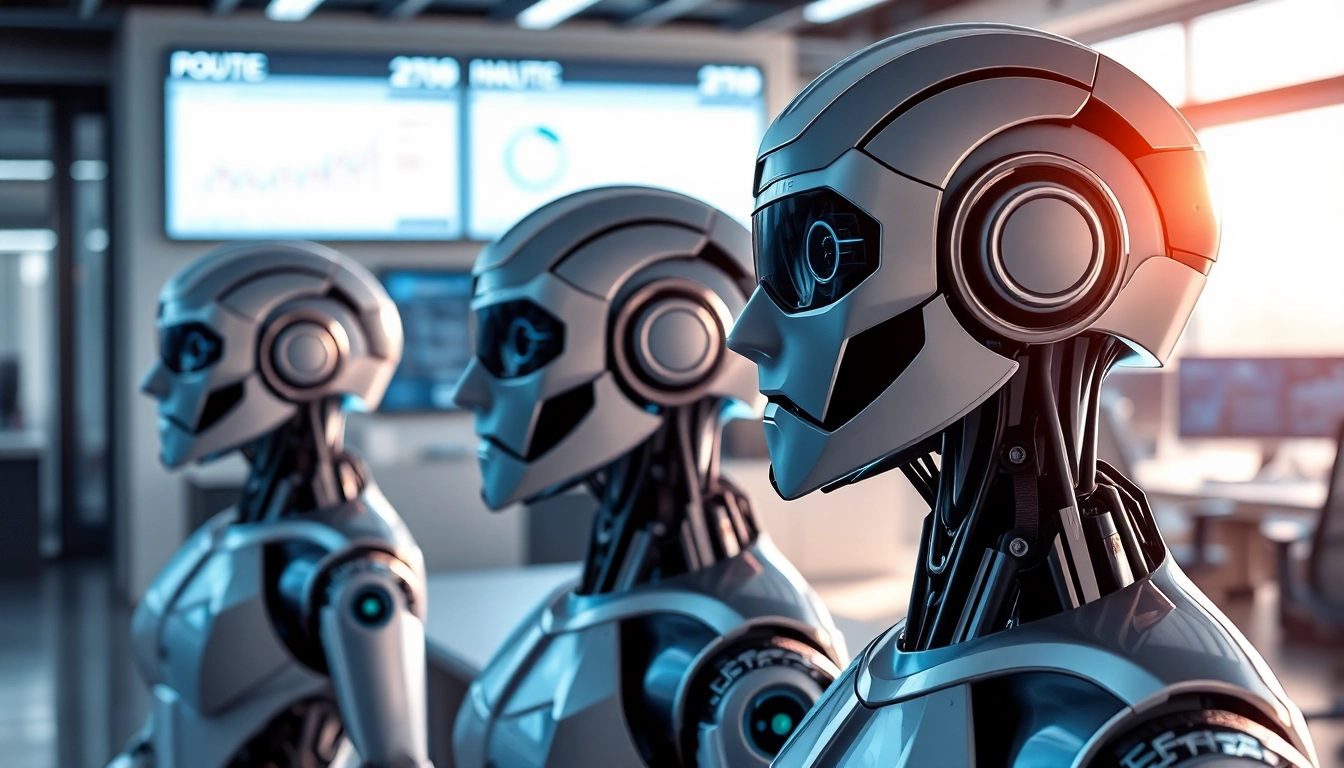
Introduction to Ai Bots
In today's rapidly evolving digital landscape, the integration of Ai Bots into various business functions is not just a trend; it's a necessity. These intelligent systems harness algorithms and data to perform tasks that traditionally required human intervention. In this article, we'll explore the multifaceted world of Ai Bots, delving into their definitions, historical context, types, applications, advantages, and future trends that they promise to bring.
Definition of Ai Bots
Ai Bots can be defined as automated software applications that use artificial intelligence (AI) to perform tasks autonomously or semi-autonomously. They leverage machine learning, natural language processing (NLP), and, at times, deep learning to improve their performance over time. These bots can engage with users in conversations, process information, make decisions, and provide insights, making them versatile tools for many operations.
History and Evolution
The concept of Ai Bots dates back several decades, originating from simple rule-based systems that could perform specific tasks. As computational power increased and algorithms improved, these bots evolved into sophisticated AI systems capable of learning from vast datasets. In the 21st century, significant advancements in NLP and machine learning algorithms facilitated the rise of chatbots and virtual assistants that we recognize today, transforming how businesses interact with their customers and streamline operations.
Importance in Modern Businesses
The importance of Ai Bots in the modern business landscape cannot be overstated. With globalization and high consumer expectations, businesses need to operate efficiently while providing top-notch customer service. Ai Bots play a critical role in achieving these objectives by enhancing productivity, reducing operational costs, and improving customer engagement through 24/7 availability and quick response times.
Types of Ai Bots
Chatbots
Chatbots are perhaps the most recognized type of Ai Bots. They simulate conversations with users via text or voice and are widely used in customer support, lead generation, and even sales. Chatbots can be rule-based, where they respond to predetermined prompts, or AI-powered, where they leverage NLP to understand and respond to user queries more effectively.
Voice Assistants
Voice assistants, such as those found in smartphones and smart home devices, use voice recognition along with AI to assist users with tasks. They can answer questions, set reminders, and control smart devices. The seamless interaction offered by voice assistants enhances user convenience and provides a hands-free experience, particularly useful in today’s fast-paced environment.
Robotic Process Automation
Robotic Process Automation (RPA) incorporates Ai Bots to automate repetitive tasks typically performed by humans. RPA can handle functions like data entry, processing transactions, and managing records. By eliminating mundane tasks, RPA allows employees to focus on higher-value work, further driving innovation and efficiency within organizations.
Applications of Ai Bots
Customer Service Enhancements
Ai Bots significantly enhance customer service by providing instant responses to inquiries, resolving issues, and offering personalized recommendations based on user interactions. By handling large volumes of queries simultaneously, these bots improve response times and customer satisfaction while reducing the burden on human agents who can tackle more complex issues.
Data Analysis and Insights
Ai Bots excel in data analysis, sifting through vast amounts of information to derive actionable insights. Organizations can use these insights to make data-driven decisions, optimize operations, and tailor marketing strategies. Whether it's analyzing customer feedback, sales trends, or employee performance, Ai Bots can turn raw data into meaningful information that drives strategic initiatives.
Marketing Automation Tools
In the realm of marketing, Ai Bots automate tasks such as email marketing, social media management, and targeted advertising. By segmenting audiences and personalizing marketing efforts based on user behavior, these bots ensure that the right message reaches the right audience at the right time, ultimately enhancing conversion rates and optimizing marketing budgets.
Advantages of Implementing Ai Bots
Cost Efficiency and Time Savings
One of the primary advantages of Ai Bots is their ability to drive cost savings and save time. By automating repetitive tasks, firms can significantly reduce labor costs and minimize errors that often occur with human effort. The efficiency gained through automation allows businesses to reallocate resources toward more strategic objectives.
Improvement in User Experience
Ai Bots lead to a transformative improvement in user experience. With instant responses, personalized interactions, and continuous availability, users find it more convenient to engage with brands. This enhanced experience can lead to improved customer loyalty, increased retention rates, and ultimately, greater profitability for businesses.
Scalability for Businesses
As organizations grow, so do their operational demands. Ai Bots provide unparalleled scalability, enabling companies to handle increased workloads without proportional increases in staffing costs. Businesses can leverage Ai Bots to maintain consistent quality and service levels even during peak times, ensuring they can meet growing customer expectations effectively.
Future Trends in Ai Bots
Integration with IoT Devices
The future of Ai Bots is closely tied to the Internet of Things (IoT). With increased connectivity among devices, Ai Bots will be able to communicate and operate within complex environments seamlessly. This integration will facilitate advanced functionalities, enabling rooms to adjust settings automatically based on user behavior, ultimately improving operational efficiency in households and businesses alike.
Advancements in Natural Language Processing
Natural Language Processing is a key area of advancement for Ai Bots. As algorithms become more sophisticated, Ai Bots will achieve greater contextual understanding and sentiment analysis. This will enable them to engage more genuinely with users, making interactions feel more like conversations with a human rather than mere transactions, enhancing customer experience tremendously.
Impact on Workforce Dynamics
The rise of Ai Bots is poised to change workforce dynamics significantly. As automation becomes more prevalent, roles may evolve to focus more on oversight and strategic functions rather than routine tasks. This shift presents an opportunity for human workers to engage in more meaningful work while necessitating new skill sets to manage and collaborate with Ai Bots effectively.
Frequently Asked Questions
What are Ai Bots used for?
Ai Bots are used for various purposes, including customer service, data analysis, and marketing automation. They automate tasks, provide instant responses, and enhance user experiences.
How do Ai Bots improve customer service?
Ai Bots improve customer service by offering instant responses, handling multiple queries simultaneously, and providing personalized recommendations based on user interactions.
What types of Ai Bots are there?
There are several types of Ai Bots, including chatbots, voice assistants, and robotic process automation. Each type serves different functions in various industries.
What is the future of Ai Bots?
The future of Ai Bots includes advancements in natural language processing, integration with IoT devices, and changing workforce dynamics, focusing on collaboration between humans and machines.
Are Ai Bots cost-effective?
Yes, Ai Bots are cost-effective as they automate repetitive tasks, reduce labor costs, and enhance efficiency, leading to significant time and cost savings for businesses.